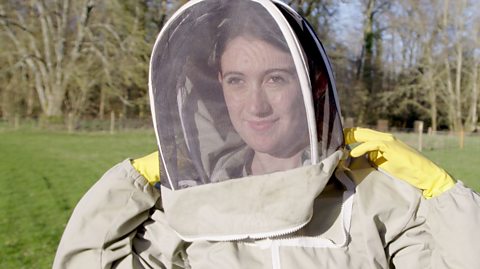
May is 17 and she’s a beekeeper.
A fan of beekeeping from a young age, even a near-death experience couldn’t dampen May’s love for our pollinating pals.
May: My name is May, I'm 17 and I'm a beekeeper.
What I love about bees is being around nature all the time and honey. I also love going to the hives and kind of opening up the bees. It's such a thrill when you kind of open them up – they're all so busy.
Beekeeping for me started off with my parents, but the more I went and the more I got involved, the more I personally became passionate about it. Wanting to go to the bees myself, I've personally got my own hives.
I had been a beekeeper for about four years when on my 11th birthday, I trod on a honeybee and had an anaphylactic shock. An anaphylactic shock, basically, is the most severe of all allergic reactions. My organs started to shut down and it's a near-death experience.
I was crying and crying and crying and everyone thought that it was because it was my 11th birthday, it's kind of ruining all my plans, but that wasn't the case. It was because I was so sad because I thought that I wouldn't be able to be a beekeeper anymore. But luckily, I was rushed to hospital and they put me on to a three year immunotherapy course. And now I'm totally immune – I've been stung seven times since and had no reaction. Initially, I was scared of going back to the bees, so then the first time I was bit nervous, but I soon realised that I was gonna be fine… but it still hurts!
So bees are important pollinators. They are a large pollinator in this country, not only pollinating flowers, fruit and vegetables, but also trees, which are a major part of our ecosystem. With climate change, it's a worry for bees because of warmer winters. With warmer winters, the bees fly more and use up more of their stores, which means that they're less likely to make it through the winter.Beekeepers are important in helping the environment because we make sure that everything's going well. We reduce the effects of diseases by putting them in lock down if anything is found.
If you want to become a beekeeper then it is possible for anyone. I would say the biggest thing is join up to a local association and they will massively help you out. People have bees in cities, on roofs, so anything is possible.
Don't be afraid of honeybees. They are friendly. They don't want to sting you. Imagine our planet without bees: we wouldn't have fruits and flowers and so many things that we cherish in nature. So please don't be afraid.
May's journey
May’s parents introduced her to beekeeping when she was in primary school. She found that the more she did it, the more passionate she felt about it:
I love being around nature all the time… and honey!
When she was 11, May was stung by a bee. She experienced a severe and life-threatening allergic reaction, called an anaphylactic shock.
May underwent three years of immunotherapy and is now "totally immune" to bee stings. Despite being nervous, she was eager to brave beekeeping again and now loves it more than ever. She's not afraid of honeybees, and she urges us not to fear them either.

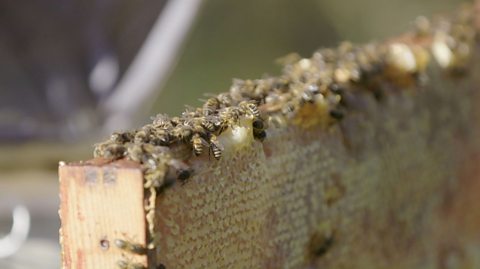
How can beekeeping help the planet?
Bees play a really important role in pollinating our plants, flowers and trees so they can continue to grow.
Without bees, there could be shortages of many of the vegetables, fruits and crops we rely on to survive. There would be also be a knock-on effect for wildlife too, as their natural habitats would change.
Beekeeping is one of the ways we can help to protect our fuzzy flying friends as it provides them with a safe environment to live and reproduce.
What to expect if you want to be a beekeeper
- Beekeeper average salary: Variable
- Beekeeper typical working hours: Variable
What qualifications do you need to be a beekeeper?
You could get into this role via a college course or starting as a hobby and learning on the job. You can also join a beekeeping group where you'll learn from experienced beekeepers, and work towards qualifications offered by The British Beekeepers Association.
Sources: National Careers Service
This information is a guide and is constantly changing. Please check the National Careers Service website for the latest information and all the qualifications needed.
For careers advice in all parts of the UK visit: National Careers Service (England), nidirect (Northern Ireland), My World of Work (Scotland) and Careers Wales (Wales).
Find out more
Work experience in your area
Find work experience placements with Workfinder.
Tips and advice
Help with interviews, writing a CV and all things work experience related.
Georgie: marine conservationist. video
Find out how Georgie made her hobby into a career and followed her obsession with the ocean all the way to the sea bed.
Dan: ornithologist. video
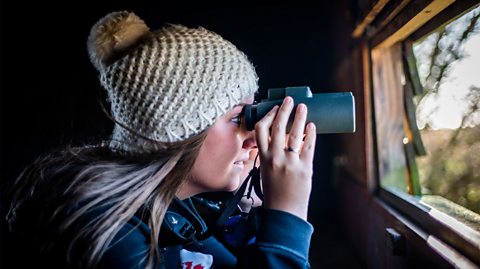
Find out how Dan uses nature to calm her anxiety, whilst also protecting the birds and wetlands she loves.
How origami inspired my sustainable fashion business. video
Find out why Ryan switched aeronautical engineering for running his own wearable technology company.