Fashions ebb and flow from history. When one fades, it's soon replaced by another.
Food, music, hairstyles, movies and even cars all have their trends. They don’t happen by accident either. The look, smell and sound of an era can often be traced back to decisions made by experts in the field months or even years before.
Let us explain.
That colour you keep seeing
It’s become something of a phenomenon in 21st Century Decembers to reveal part of the everyday which encapsulates the previous 12 months. Oxford and Collins dictionaries both announce a word of the year based on hours of analysis, while the Pantone Color Institute, part of the organisation which standardises shades of colour throughout the world, work on something altogether more abstract, the colour of the year. This doesn't look back, however. It's an indicator for the year ahead.
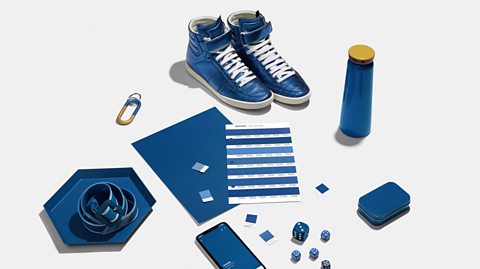 Image source, Pantone
First announced in 1999 to mark the new millennium, Pantone’s experts consider various influences which will determine the shade that could appear in fashion, home interiors - even cars and fragrance packaging - over the coming year. The colour of 2020, announced in early December, is classic blue, a shade you may recognise from Superman’s suit or Everton FC’s home strip. Pantone say classic blue will instill ‘calm, confidence and connection… as we cross the threshold into a new era’.
Leatrice Eiseman, executive director of the Pantone Institute has been involved in the selection since day one, when another blue - cerulean - was chosen. It did catch on, even leading to a monologue on the shade’s impact from Meryl Streep’s fearsome magazine editor in the 2006 film The Devil Wears Prada.
Twenty-one choices later, the system of deciding the colour of the year is well established: “[It] is based on thoughtful consideration and trend analysis,” Leatrice told BBC Bitesize. “Our colour experts comb the world looking for new colour influences. This ranges from art and artists to fashion, travel, lifestyles, play styles and socio-economic conditions like new technologies, materials, textures and effects.” Look back through the fashions and designs of the past 18 months and if you spot some classic blue in there, chances are you’re looking at an item which helped inspire the Pantone panel. The only place you won’t see it is in politics, something the colour of the year never reflects.
Nobody involved in the selection actively pitches a colour for consideration. Leatrice explained that when Pantone’s researchers collectively bring their colour ‘homework’ to the table, the recurring themes and shades are straightforward to pinpoint. “We are already very much on the same wavelength,” Letrice added. Like all shades that stand out, it’s in the blend.
The food on your feed
Whichever supermarket you do your big shop at, they'll have teams keeping a keen eye on what's ahead in the shopping world. Waitrose’s Jonathan Hehir and Zoe Simons look at trends from different viewpoints. For innovations manager Jonathan, social media is king. If something looks nice or interesting, it’s likely to do well on a platform like Instagram, so people will probably come across it, and it’ll blow up really quickly.
Jonathan said: “Social media is playing a big part in accelerating many food trends, especially the more visual ones - as it is easier than ever for people to take and post beautiful pictures and inspire others, which makes a trend grow faster than it once would have done.”
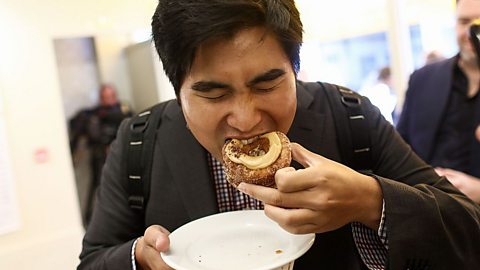
Food journalist Jade Wright agrees, and thinks that sometimes the food itself isn’t actually all that, moreso: “people will be sharing the idea of that thing before they’ve even eaten it.”
Take the cronut, hybrid of a croissant and a doughnut, which according to Google saw surges in notoriety in 2013 and 2016. According to Jade, whilst it’s likely that most people think “it’s hard to improve on an actual croissant and it’s hard to improve on an actual doughnut”, she says that, “you’re not going to get five million people sharing a picture of a doughnut, no matter how nicely you make it."
Does demand equal trendy?
When something is trendy, it can lead to an increase in supply and demand for that item. But is it the case that things become more widely available because they’re popular, or do things become more popular when they’re widely available? Well, Jade thinks it’s a bit of both.
“I think you’ll get early adopters who’ll want things, and they will go to the health food shops to get them, or they’ll go to a specialist deli… and then over time as soon as the shops get onto this, the big supermarkets become aware, then they sell them, get a massive uptake, and suddenly they become part of every day.”
Trained fashion spotters
So how can we go about predicting trends? Like the Pantone team, supermarkets give it their best shot too. Jonathan believes it’s all about “keeping your ear to the ground” and tracking, not fashion designs, but sales data.
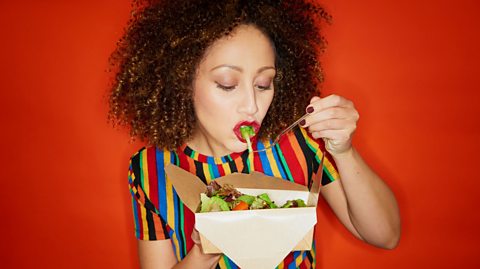
He explained: “We look at numbers such as our product sales or online searches to assess what's popular. And then for other insight we may see interesting comments on social media, or in the news - or a different type of restaurant opening up, which we can predict will capture imagination and spark a trend.”
Other things can influence it too, like an ingredient being mentioned in a blockbuster movie, or an area going back to its cultural roots.
Society points a way
The way we change as people and more widely as a society also seems to have an impact. Development chef Zoe said: “I think food trends are massively reflective of changes in our society. For example in times of uncertainty we often see people looking back to comfort food and dishes of the past, with a nod to nostalgia - maybe to old family favourite dishes or classics from the past.”
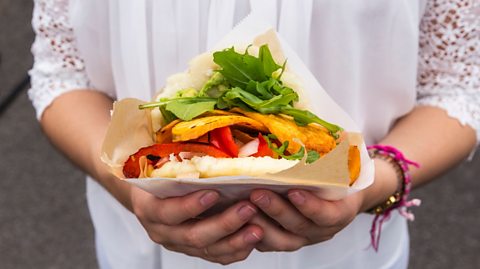
Other examples could include the huge shift towards plant-based foods and diets. The British Takeaway Campaign conducted some research this year that found vegan meal orders increased by 388% between 2016 and 2018, and are now the UK’s fastest growing takeway choice. Figures like these are often attributed to people’s growing awareness of their food choice’s impact on the climate. As Zoe puts it: “We are becoming more thoughtful and mindful of the world we live in and the way of eating really fits with the more conscious way of looking at the world.”
When the impact surprises you
A true compliment to those who make decisions which impact on trends is seeing their choices crop up in the most surprising places.
Leatrice remembered Pantone’s colour of the year selection for 2011, a vibrant pink called honeysuckle. She wasn’t surprised to see the shade influence some fashion and cosmetic brands over the ensuing year, but other examples were completely unexpected. Honeysuckle was used on men’s running shoes, snowboards, heavy duty gloves and skateboards. Leatrice said: “It was unexpected in those applications, especially for men, but as colourists, we were delighted to see that line crossed! And it is continuing even now, to a greater degree.”
For 2020, Pantone has worked with different innovators to make classic blue not just something to look at, but to touch, hear, smell and taste too.
And if you’re wondering what flavour classic blue is? Well, it’s blueberry.
Myth-busting food origin stories
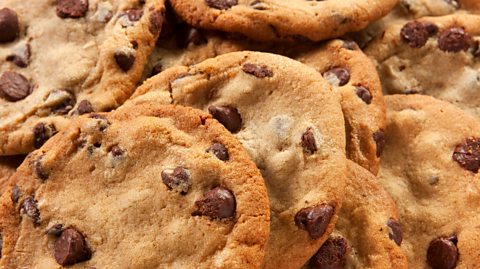
Chocolate chip cookies, crisps and Caesar salad all have legendary histories, but are they true?
Vegetarians and vegans
Vegetarians and vegans live by specific dietary guidelines. Find out more with this Home Economics: Food and Nutrition guide (CCEA).
Why don’t we all like the same foods?
How genetics, your mum's diet and bad experiences can shape your tastes.