
Being productive isn’t always easy.
Perhaps you’ve had some days at school where you’ve felt like achieved and learnt so much in class, whereas on others, you’ve felt it hasn’t been the best.
This is normal to experience from time to time and is even something adults struggle with in their every day lives too. Being aware of this and learning how you can work best is important so you can achieve your potential.
Below you’ll find three videos from BBC Bitesize that explain some key ways you can boost your productivity: ensuring you get enough sleep, eat well and take regular breaks from your phone.
What are the best foods to fuel our brains?
Dr Amir Khan:
Food fuels your brain.
Eat balanced meals.
Did you know there is actual real brain food?
Yes, that's right!
Food that keeps your brain strong and healthy for school.
Things like eggs, fish, berries, and nuts are all brilliant.
Don't skip breakfast and stay hydrated.
I know crisps and chocolates are tempting, but keep them for after dinner as although they taste good, theycan make you feel tired and sluggish.

Here are some of the best foods according to Dr Amir. Eating balanced meals featuring the following are great for boosting brain power:
- Fish
- Eggs
- Berries
- Nuts
In our article 'the best brain food for studying and revision', eating regularly, including different types of foods in your meals and snacks, and having proper meal times are all really important for our brains.
Drinking smart is essential too. Our brains consist of an estimated 80% water and water gives our brains the ability to work properly. If we become dehydrated, our memory and ability to focus and bring our attention to something becomes harder.
Try to drink regularly through the day and avoid drinks that have a lot of sugar or have caffeine in them. The NHS advises to drink 6-8 glasses or cups of fluid a day.
Why is sleep so important?
Dr Amir Khan:
Sleep is your superpower!
It affects your energy, mood, memory, and ability to handle stress.
Aim for 9 to 10 hours every night.
Set a bedtime routine.
Reduce your screen time before bed, blue light from phones can stop you from sleeping.
Try to go to bed and wake up at the same time every day.
But, if you're struggling to sleep, try reading, deep breathing or relaxing music before bed.

'Make sure you get an early night' is probably a phrase you've heard quite a lot from your parents right?
But for real… sleep affects your energy, mood, memory and ability to handle stress which all need to be in good form for your studying.
Dr Amir told us it's a good idea to aim for the following:
- Get 9 to 10 hours of sleep every night.
- Set a good bedtime routine.
- Reduce your screen time before bed.
- Try to go to bed and wake up at the same time every day.
And if you're struggling to sleep… having specific bedtime activities like listening to calming music or deep breathing will help you wind down and give your brain a break.
In our article 'how sleep can help you study', learning scientist Dr Carolina talks us through the science and explains how information gets stored in your memory during sleep.
How to break up with your phone
Dr Amir Khan:
Social media can be overwhelming.
If you have a phone - group chats, online gossip, pressure to post, can be overwhelming.
Adults feel the same about it too. If it makes you feel bad - step away, mute notifications or just take a break.
We can sometimes worry that taking a break will cause us to miss out, so try doing something practical to distract yourself from being tempted to look at your phone.
Go for a walk, play a game, read a book. Do whatever you enjoy doing. Remember, you control your online world. Unfollow, block and report anything or anyone that doesn't make you feel good.
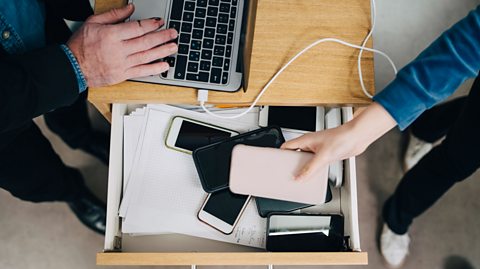
We all know that phones and social media can be handy at times but they also bring extra challenges to our lives.
They can take up a lot of your time and the pressure to post and keep up to date can be a lot.
If you're finding them too distracting and they're not making you feel good, then Dr Amir says, don't be afraid to "step away" and "mute notifications" from your phone.
Dr Amir explains: "We can sometimes worry that taking a break will cause us to miss out, so try doing something practical to distract yourself from being tempted to look at your phone. Go for a walk, play a game, read a book… do whatever you enjoy doing.
Remember you control your online world.– Dr Amir
"Unfollow, block and report anything or anyone that doesn't make you feel good."

If you need support
You should always tell someone about the things you’re worried about. You can tell a friend, parent, guardian, teacher, or another trusted adult. If you're struggling with your mental health, going to your GP can be a good place to start to find help. Your GP can let you know what support is available to you, suggest different types of treatment and offer regular check-ups to see how you’re doing.
If you’re in need of in-the-moment support you can contact Childline, where you can speak to a counsellor. Their lines are open 24 hours a day, 7 days a week.
There are more links to helpful organisations on the BBC Bitesize Action Line page for young people.
How to fit in at school
Starting a new school soon? Here's some top tips on how to adjust to a new school.

How sleep can help you study
Dr Carolina Kuepper-Tetzel answers questions about sleep and studying.

The best brain food for studying and revision
Tips on what to eat to help boost your exam performance.