Juggling should be one of the main skills on Callum Ross’s CV. It’s what he does every day in his role as an A&R (artists and repertoire) manager with a major record label.
On a regular day at work he will be scouting for new talent, promoting the acts already on the books, giving feedback on material and listening to a lot of brand new music. But while it’s a role that requires lots of knowledge and experience in the music industry, for National Careers Week, Callum told BBC Bitesize all about the importance of the transferable skills he picked up along the way to his dream job.
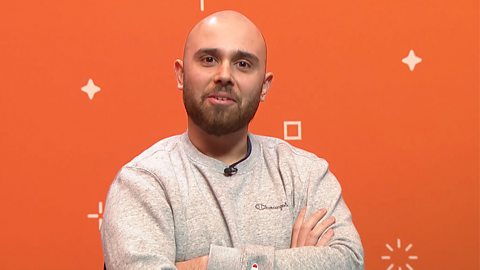
Part of a panel looking at careers in music and the arts, he explained that, before joining Island Records - where he works with acts including Ariana Grande and The Weeknd - he studied graphic design. He then spent time at a tax company, as well as working for a well-known supermarket. It was these last two roles, rather than jobs related to the music industry, which gave him skills that appealed to his new employers.
From taxes to The Weeknd
Callum said: “I was working for a tax audit firm as an operations manager. When I landed the job at Island Records, it turns out that my experience working in Tesco and [the tax firm] actually went a long way to secure the job.
“Working for those companies showed I could work well in a team, working long hours, good at organising administration and good at customer service and dealing with people. You don’t always have to have worked in that field to get a job, you can use the experience you have to transfer your skills over.”
Callum also showed initiative in other areas. He took an apprenticeship in a recording studio for a year, then stayed in contact with people he had made connections with. He also went another step further, as he explained: “I stood outside the Universal buildings handing out my CV and meeting everyone I could.”

It worked - when Callum was offered the record label job, he was first choice from more than 1,000 candidates. Six years later, he’s still working at the label.
He added: “You have to be proactive. No one is going to bring you through or invite you into something, you have to just go for it and make your own luck and path.”
How maths can get you into the music world
If a career in this industry appeals, and you’re wondering which subjects to take, Callum found that studying Music gives a good knowledge of the different genres involved, music in different time periods and a general deeper understanding of the topic. When it comes to core subjects, he said that English is good for developing written communication skills, but also: “Maths is very important in my role, because I deal with percentages, dealing with artist contracts, etc.”
Working closely with artists also highlights the importance of life skills such as empathy, resilience, and having an even temperament which makes you more approachable, as Callum explained: “Empathy is important when you’re dealing with people’s life’s work and passion and blood, sweat and tears. You have to articulate your thoughts and opinions about their work in a way that’s constructive and not destructive.”
'Enjoy school more'
Experience, studying, exams and workplace skills all helped Callum break in to the music industry, but his final piece of advice to anyone reading this while still at school is not to worry too much about the future. He said: “School is unlike any other place you’ve ever been in your life, you come across different types of people and everyone’s got different ideas of what they want to be.
“If I was to give advice I’d say enjoy it more. Being 'academic' is not for everyone and it’s important for people to know you can be as academic or non-academic as you want, as long as you want to work hard and learn as much as you can, you can do anything you want in life.”

How can I explain my skills to employers?
Learn how to demonstrate your abilities using the STAR method.

How I turned my hobby into a career
Megan explains how she turned her passion for Drama into a job.

More from Bitesize Careers
Hear from young people about the world of work.