|
 |
 | | | | | | ||||||||||||||||||||||||||||||||||||||||||||||||||||||||||||||||||||||||||||||||||||||||||||||||||||||||||||||||||||||||||||||||||||||||||||||||||
| | | You are in: Politics | ||||||||||||||||||||||||||||||||||||||||||||||||||||||||||||||||||||||||||||||||||||||||||||||||||||||||||||||||||||||||||||||||||||||||||||||||||||
|
| | Tuesday, 18 June, 2002, 22:11 GMT 23:11 UK Spin doctors 1971 style Ted Heath warned his ministers to be alert for stories
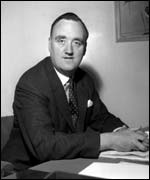
Spin doctoring is nothing new, documents released by the Public Record office show. Back in 1971, the Conservative Government of Edward Heath set up what it called an "early warning system" to alert ministers to stories and events which might "embarrass" them. One tartly written comment in ink says that "our first shot should deal with the Whitelaw problem i.e. things that were always taking Mr Whitelaw by surprise".
The files are from the Central Policy Review Staff (CPRS), the government think-tank which Mr Heath established under Lord Rothschild. They give a fascinating glimpse into the nervous first steps taken by the civil service to accommodate the politicians' need to avoid banana skins. The effort begins in March 1971 when a civil servant named as F E R Butler (later Sir Robin Butler, head of the Home civil service no less) sets out the aims. Bright idea They are to "extract for ministers the feel for trouble coming up" and to "show how approaching events and decisions fit together or do not fit together". Even the task of organizing the "early warning system" does not always fit together, as various departments seem to undermine the procedure and, in one case, overwhelm it with useless information. But first Mr Butler has the bright idea of drawing up a list of examples. He looks at Whittaker's Almanac for the previous year, 1970, and it is a rich selection, for there was trouble everywhere then.
This last example came under the curious heading of "things foreigners did". Mr Butler dares a little joke, noting that "Acts of God are unpredictable unless CPRS can develop a hotline to heaven". He rounded up civil service departments and asked them to submit their own lists of upcoming events and decisions which Lord Rothschild could then present to the cabinet. This proves to be easier said than done. Some of the files could come straight from "Yes Minister". 'Difficult questions' Another civil servant warns not to expect too much: "I can only too easily imagine some problems lying on some subordinates' plate for weeks." Eventually, the departments cough up. The Home Office's Philip Allen replies: " I have found the answer more difficult than expected." He makes a lofty joke about Northern Ireland always being a problem - "We can write you a very long essay on Northern Ireland". Then he does more usefully admit that corruption in the Metropolitan Police should be mentioned, and also suggests the "idea of a Bill to control the showing of pornographic films by cinema clubs". The now-defunct Department of Education and Science says simply "nothing to record". Nothing to report And the Ministry of Agriculture is no better. "No item to report", it says. At one meeting Mr Butler chides the Min of Ag officials and asks for something. Maybe "farmers are storming Whitehall", he suggests. The Foreign Office seeks to cover itself by mentioning virtually every crisis and country. It is a clear attempt to demonstrate that this "early warning system" is naive. The Treasury is also rather unhelpful. Spin doctoring seems to have been no easier then than now. | | See also:  01 Jan 01 | UK Confidential 25 Oct 00 | UK Politics 02 Mar 00 | UK 04 Mar 02 | UK Politics | ||||||||||||||||||||||||||||||||||||||||||||||||||||||||||||||||||||||||||||||||||||||||||||||||||||||||||||||||||||||||||||||||||||||||||||||||||
| |
|  E-mail this story to a friend E-mail this story to a friend |
| |
|
| | | ||
 | ||||
 | | Back to top
| ||
| ---------------------------------------------------------------------------------- To BBC Sport>> | To BBC Weather>> | To BBC World Service>> ---------------------------------------------------------------------------------- © MMIII | News Sources | Privacy  |