 Many children are victims of crime |
A quarter of young people aged 12 to 16 in Wales have been victims of crime in the past year, according to a new study. More than half of those had suffered violence or assault, while just under half said they had been victims of theft.
Almost a third said they had suffered more than one incident, with one in 10 saying they had been targeted more than five times over the year.
Cardiff University social research Dr Howard Williamson said the figures highlighted an area of crime which often went unacknowledged.
"We are always concerned about young people being the perpetrators of crime, but young people are also the most likely victims," he said.
"(It is assumed) that these things are part of growing up.
"The Victim Support report is to be welcomed because there are a lot of young people who feel very frightened and intimidated."
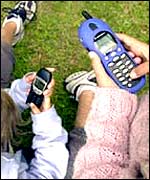 Children frequently have their mobile phones stolen |
The research shows that a common crime against young people was the theft of mobile phones. Sixteen-year-old Katie Jones had her phone stolen in November 2002 after working to make extra money in order to afford it.
"It's an awful feeling - you work so hard for something and someone takes it from you," she said.
"I think I'm quite a trusting person and for this to happen has shocked me."
The report says that younger people were far more likely to have suffered from crimes of violence than older people - with girls at risk as much as boys.
CRIMES REPORTED BY TEENS Violence and assault: 54% Theft: 43% Burglary: 18% Robbery: 13% Sexual offence: 5% Bullying: 4% Verbal abuse: 3% |
The survey carried out by NOP questioned 400 young people in England and Wales on behalf of Victim Support.
The charity claims that young people are more likely to suffer crime than adults, but that their stories were often not listened to.
"It is clear that young people are more likely to suffer crime than adults and that their needs are being neglected," said Victim Support chief executive Dame Helen Reeves.
"This can affect their attitudes to other people for the rest of their lives."


 One-Minute World News
  News services
 Email this to a friend
  Printable version
