|
 |
 | | | | | | |||||||||||||||||||||||||||||||||||||||||||||||||||||||||||||||||||||||||||||||||||||
| | | You are in: UK: Wales | |||||||||||||||||||||||||||||||||||||||||||||||||||||||||||||||||||||||||||||||||||||||
|
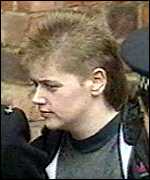
| | Friday, 7 February, 2003, 17:54 GMT Deceit of Munchausen's sufferers  Beverley Allitt was dubbed the "Angel of Death" The personality disorder, Munchausen's Syndrome by Proxy, was first thrust into the headlines in the early 1990s by child killer Beverley Allitt. Allitt murdered four children and injured nine others while working as a nurse at Grantham Hospital. Dubbed the "Angel of Death," she was driven by a deep psychological need to gain attention by being involved in the youngsters' medical care.
She is now serving 13 life sentences at the top-security prison hospital Rampton in Nottinghamshire, but the treatment of other sufferers is not so clear cut. The syndrome, often known as MSBP, was identified by paediatrician Sir Roy Meadow in 1977. He described MSBP as a form of child abuse in which a parent deliberately induces or falsely reports illnesses in their child in order to draw attention to themselves. One of the worries for healthcare professionals is that, while is may be relatively easy to diagnose once the child abuse is discovered, it can be very difficult to suspect. Sufferers, who are usually the parent of a child but can be the adult child of an older person, can be extremely convincing, providing a sustained and credible deception, complete with false symptoms and episodes of illness. Suspicion The victim is usually a healthy, pre-verbal child who undergoes a variety of unnecessary tests and examinations - even surgery - to satisfy the sufferer's compulsion to be at the centre of attention. The injuries suffered by victims extend from bleeding, diarrhoea and vomiting to rashes, seizures, apparent respiratory failure and near-coma. One indicator to suspect MSBP is that at the first suggestion of suspicion, the sufferer will discharge the child immediately rather than allow further investigation. People with Munchausen's syndrome often switch from one source of health care provision to another as they seek to manipulate the system to sustain the attention they crave. Yet once separated from the sufferer, the victim will begin to show improvement. Treatment CCTV cameras in hospitals are a vital weapon in detecting the criminal activities of the worst MSBP sufferers. Doctors have still not established a convincing theory on the causes of the disorder but believe the answer lies in deep disturbances in the sufferer's psychological make-up. Treatment involves a full psychiatric evaluation and psychotherapy. | |   See also: 06 Aug 00 | Health 23 Mar 00 | Scotland 19 Aug 99 | Health Top Wales stories now: Links to more Wales stories are at the foot of the page. | |||||||||||||||||||||||||||||||||||||||||||||||||||||||||||||||||||||||||||||||||||||
 | |
|  E-mail this story to a friend E-mail this story to a friend |
| |
| Links to more Wales stories |
| | | ||
 | ||||
 | | Back to top
| ||
| ---------------------------------------------------------------------------------- To BBC Sport>> | To BBC Weather>> | To BBC World Service>> ---------------------------------------------------------------------------------- © MMIII | News Sources | Privacy |