|
 |
 | | | | | | |||||||||||||||||||||||||||||||||||||||||||||||||||||||||||||||||||||||||||||||||||||||||||||||
| | | You are in: UK: Wales | |||||||||||||||||||||||||||||||||||||||||||||||||||||||||||||||||||||||||||||||||||||||||||||||||
|
| | Tuesday, 24 December, 2002, 13:40 GMT Wales' annual school report 
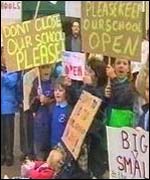
The future of small schools proved to be controversial. In Pembrokeshire plans to close some of the county's smallest schools and send children to larger area schools was bitterly opposed by many parents and with more than 200 schools with less than 50 pupils across the country there are fears that many more small schools could go. Devolved Wales took a series of sharp detours on the education policy front - while in England more faith schools and specialist schools are on the agenda, here the comprehensive is seen the best system for educating Welsh children.
Wales also re-established the student grant - under the guise of the Assembly Learning Grant. Students in higher and further education can claim up to �1500 a year, but only the very poorest students will get the full amount. There were no surprises when it came to the GCSE results - once again grades improved, prompting the yearly speculation that the exams were getting easier. But concern grew about the performance of boys. On average the boys were 10% behind the girls. Education Minister Jane Davidson later said the gap wasn't acceptable. This year was the first year of the new A levels - or A2. In an attempt to broaden the scope of the exam, candidates take subjects and exams over two years. After the initial euphoria, doubts about the grades surfaced when the headmasters and headmistresses conference - the body representing heads of the independent schools - reported what they said were huge discrepancies in the marks. Despite fears that thousands of students could have been given the wrong grades, in the end, just 16 students in Wales changed courses after having their results regraded. A further eight students, who had no place, have been given places to start in 2003.
While the row over A level results rumbled on, the new school year in September got off to a bad start with the news that hundreds of criminal record checks on teachers and other school staff hadn't been completed. Many newly qualified teachers found themselves consigned to staffrooms while the UK government in London and the Welsh Assembly in Cardiff tried to find a solution. In the end just one school told pupils to stay away. The bureau is still battling its way through a huge backlog. Bullying and how to combat the problem has always been high on the education agenda. This year it was the teachers, not the pupils hitting the headlines. In October Alan Powis, a primary school teacher from Llansamlet near Swansea received a record payout of �230,000. He claimed he had suffered years of humiliation and abuse at the hands of the headteacher of a school in Skewen. After a battle lasting five years, Neath Port Talbot Council settled out of court. After growing pressure from the teaching unions to provide more help for teachers, there was better news with the announcement of a three million pound pilot project to provide more help for teachers. If the project to give schools money for administrative support goes well, �15m will be assigned for 2004. Missed targets But it wasn't all good news, the assembly missed its targets on GCSE achievement. The number of children attaining five GCSE passes was below that expected, as was the number getting grade C in the core subjects of English or Welsh, Maths and Science. Education Minister Jane Davidson says she'll now look again at the targets. Next year sees the pilot for the new Welsh baccalaureate. Nineteen schools and colleges across Wales will take on the project combining A levels and other vocational qualifications. Supporters say it'll provide Welsh students with a distinctive qualification while its critics claim it's a halfway house, accusing the exams creators of failing to be bold enough. | | Internet links:  The BBC is not responsible for the content of external internet sites Top Wales stories now: Links to more Wales stories are at the foot of the page. | |||||||||||||||||||||||||||||||||||||||||||||||||||||||||||||||||||||||||||||||||||||||||||||||
 | |
|  E-mail this story to a friend E-mail this story to a friend |
| |
| Links to more Wales stories |
| | | ||
 | ||||
 | | Back to top
| ||
| ---------------------------------------------------------------------------------- To BBC Sport>> | To BBC Weather>> | To BBC World Service>> ---------------------------------------------------------------------------------- © MMIII | News Sources | Privacy |