|
 |
 | | | | | | |||||||||||||||||||||||||||||||||||||||||||||||||||||||||||||||||||||||||||||||||||||||||
| | | You are in: UK: Wales | |||||||||||||||||||||||||||||||||||||||||||||||||||||||||||||||||||||||||||||||||||||||||||
|
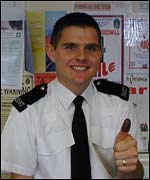
| | Tuesday, 19 November, 2002, 14:29 GMT Thumbprints used to beat fraud 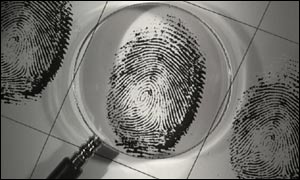 Police will be able to trace offenders by using their print Shoppers in Merthyr Tydfil are being asked to put their thumbprints on the back of cheques and credit card receipts to try to stamp out fraud. The voluntary pilot scheme is the first in Wales and has been welcomed by local shopkeepers.
However, civil rights campaigners have criticised the plan and said some people could feel they were suspected of wrongdoing. Under the scheme, people paying for items will mark the back of cheques and credit card receipts with their print using a special stain-free ink. Payments are then processed in the normal way, but if the card or cheque is found to be stolen the marked slip will be sent to the police. Police will then have a thumbprint with which to trace the offender. Last year, more than 2,400 fraudulent cheques - worth a total of �260,000 - were returned to South Wales Police. A similar scheme trialled in Inverness in Scotland reduced cheque fraud figures by 98%.
PC Richie Gardener, Merthyr Crime Reduction Officer, said he hoped the scheme would be a deterrent to criminals. "Those who intend to purchase goods or cash a cheque fraudulently will see the poster advertising that the shop subscribes to the scheme and decide against committing the crime," he said. "By getting as many shops in Merthyr onboard, we hope to eradicate this problem." South Wales Police also confirmed that no database of the thumbprints is to be kept. Customer relations But Mark Littlewood, campaigns director of the civil rights pressure group Liberty, said the voluntary nature of the scheme would weaken it. "Those who refuse to give a print are the very small percentage of people using fraudulent credit cards," he said. "This is a pretty stupid plan which ever way you look at it." Mr Littlewood also argued the responsibility for cutting down fraud should not be with the police.
"Credit card companies make fortunes from the use of credit cards and cheques - anti-fraud devices should be paid for by them." Shopkeepers could intimidate customers by asking them for their thumbprints, he said. "Most people consider it the sort of thing you ask someone who is suspicious or has been charged with an offence," he said. "It is not a good way of developing customer relations." However, Bernard Morrisey, manager of St Tydfils Shopping Centre disagreed and gave his backing to the scheme. "It gives peace of mind that something is being done to stop the illegal use of other people's cheques and is also easy and quick to use." "I don't think honest customers will be offended by me asking them to mark the backs of their cheques," he said. "I'm sure they'd feel happier knowing shopkeepers and the police have measures to crack down on fraud." | |   See also: 24 Sep 02 | England 25 Jul 02 | Wales 20 Oct 01 | UK 05 Aug 01 | Business Internet links: The BBC is not responsible for the content of external internet sites Top Wales stories now: Links to more Wales stories are at the foot of the page. | |||||||||||||||||||||||||||||||||||||||||||||||||||||||||||||||||||||||||||||||||||||||||
| |
|  E-mail this story to a friend E-mail this story to a friend |
| |
| Links to more Wales stories |
| | | ||
 | ||||
 | | Back to top
| ||
| ---------------------------------------------------------------------------------- To BBC Sport>> | To BBC Weather>> | To BBC World Service>> ---------------------------------------------------------------------------------- © MMIII | News Sources | Privacy |