|
 |
 | | | | | | ||||||||||||||||||||||||||||||||||||||||||||||||||||||||||||||||||||||||||||||||||||||||||||||||||||||||||||||||||||||||
| | | You are in: UK: Wales | ||||||||||||||||||||||||||||||||||||||||||||||||||||||||||||||||||||||||||||||||||||||||||||||||||||||||||||||||||||||||||
|
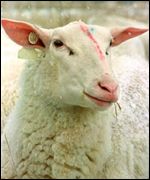
| | Monday, 12 August, 2002, 06:34 GMT 07:34 UK Farming 'suffering still' after disease 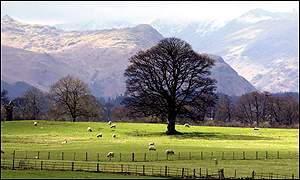 Some rural areas may never recover from foot-and-mouth Exactly a year after the last case of foot-and-mouth disease in Wales, a farming union leader has said that an "economic cloud" still hangs over the industry. President of the Farmers Union of Wales Bob Parry has claimed that, despite the UK government's partial relaxation of the 20-day standstill rule on livestock movements, the industry is still unable to make a full recovery.
The last confirmed outbreak of the disease in Wales was on a farm at Llangenny, near Crickhowell, on 12 August, 2001. In all, there were 118 confirmed cases in Wales - 78 in Powys, 20 in Monmouthshire, 13 on Anglesey, three around Newport, two at Caerphilly, and one each in Neath/Port Talbot and Rhondda Cynon Taff. Mr Parry said even though rules governing movement of stock had been relaxed, the restrictions remained a major obstacle to the industry's efforts to get back to normal.
"2001 will undoubtedly go down as the worst year in farming, but it is now being compounded by the government's intransigence over the 20-day standstill rule," Mr Parry said. "Maintaining the 20-day standstill rule will drive cash-strapped farmers and auctioneers out of business." The 20-day rule - freezing livestock movements on a farm for three weeks when a new animal is brought in - has been partially relaxed. Now, breeding animals will be exempt from the rules. Farmers had hoped for a full relaxation of the regulations ahead of the busy autumn livestock season. Mr Parry said farming families struggled throughout 2001 with average farm incomes hovering just above �4,000 a year. They also witnessed the wholesale slaughter of millions of animals as the authorities attempted to halt the spread of the disease. Slaughtered There were 2,030 confirmed outbreaks of the disease in the UK between 20 February and 30 September last year. An estimated 6.1m animals were slaughtered - around 4.1m for disease control and 2m for animal welfare reasons. In Wales 335,184 animals were slaughtered - 294,130 sheep, 34,992 cattle, 5,941 pigs and 121 goats. Direct losses for UK agriculture and rural tourism were estimated to be between �2.2 and �2.5bn, but Mr Parry said he believed indirect costs pushed that figure up to �8bn.
"Lessons still need to be learned from the mistakes that occurred during 2001, and it is scandalous that the government refused to hold a full and open public inquiry," he said. "The three government inquiries carried out virtually behind closed doors did not go far enough. "What was the point of an inquiry if it didn't have the legal powers to force key witnesses to give evidence? "I believe a full public inquiry would have been the only realistic way of getting at the truth, however difficult or embarrassing for individuals that truth may have been." Mr Parry said farmers had concluded that following the crisis, the Welsh Assembly should handle any future crisis in Wales - not Whitehall officials. "The way forward for farming in Wales is to have the assembly deal exclusively with the industry," he said. | |
See also:  22 Jul 02 | Wales 11 Apr 01 | Wales 28 Mar 01 | UK Top Wales stories now: Links to more Wales stories are at the foot of the page. | ||||||||||||||||||||||||||||||||||||||||||||||||||||||||||||||||||||||||||||||||||||||||||||||||||||||||||||||||||||||||
| |
|  E-mail this story to a friend E-mail this story to a friend |
| |
| Links to more Wales stories |
| | | ||
 | ||||
 | | Back to top
| ||
| ---------------------------------------------------------------------------------- To BBC Sport>> | To BBC Weather>> | To BBC World Service>> ---------------------------------------------------------------------------------- © MMIII | News Sources | Privacy |