|
 |
 | | | | | | |||||||||||||||||||||||||||||||||||||||||||||||||||||||||||||||||||||||||||||||||||||||||||||||||||||||||||||||||||||||||||||||||
| | | You are in: UK: Politics | |||||||||||||||||||||||||||||||||||||||||||||||||||||||||||||||||||||||||||||||||||||||||||||||||||||||||||||||||||||||||||||||||||
|
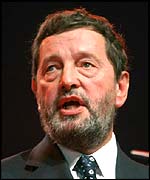
| | Friday, 7 February, 2003, 09:35 GMT Blunkett extends asylum powers  The home secretary wants to send a tough message The number of countries from which asylum applications are normally rejected is to be increased by seven, Home Secretary David Blunkett has announced. Applications from Albania, Bulgaria, Jamaica, Macedonia, Moldova, Romania, Serbia and Montenegro are now unlikely to be accepted.
The move has been criticised by the Refugee Council as unfair. Mr Blunkett said the move was intended to build on the success of November's asylum legislation which had "dramatically cut the numbers of abusive asylum claims" by nationals from 10 safe countries. "I intend to build on that success by adding a further seven countries - all democracies with effective criminal justice systems, from which it is frankly not credible to suggest people routinely fear for their lives."
Holders of refugee travel documents will need a visa before coming to Britain from Tuesday. Mr Blunkett said there was a rising number of refugees accepted elsewhere who were trying to claim asylum in the UK. "This undermines the integrity of the asylum process, places an unacceptable burden on the system, and diverts valuable resources from those in genuine need." There will be a clampdown on the issuing of travel documents. There are currently more than 200 asylum applications from these seven countries each month with few succeeding.
She said the latest announcement was just part of the ongoing process of tightening up the system. But the Refugee Council opposes having such a list of so-called safe countries where it is assumed people do not have a right to asylum. Margaret Lally, acting chief executive, told the programme, that the charity also opposed the move to not allow people to appeal from within the UK. "It is incredibly difficult to mount a credible appeal from outside this country," she said. The Refugee Action group said questions remained about the proposals but it was encouraged ministers were exploring a "practical global programme to help address the world's refugee crisis". The home secretary's announcement came a day after it emerged ministers were considering deporting asylum seekers to safe havens in the regions they left behind. 'Discussion paper' The government is anxious to cut asylum applications, expected to top 100,000 for last year when official figures are released later this month. Downing Street has confirmed a discussion paper on deporting most asylum seekers to United Nations "regional protection areas" has been put to a cabinet committee. The UN high commission for refugees would have to be persuaded to set up the safe havens, perhaps with funding from key European Union states. Earlier this week Mr Blunkett said the UK had opened discussions with the UN about revising its obligations under the 1951 Geneva Convention which protects refugees. Under the 1951 agreement, countries are obliged to protect refugees on their territory and grant them at least the same standards of treatment enjoyed by other foreign nationals. | |
See also:  05 Feb 03 | Politics 05 Feb 03 | Politics 05 Feb 03 | Politics 28 Jan 03 | Politics 28 Jan 03 | Politics 09 Feb 01 | Europe Internet links: The BBC is not responsible for the content of external internet sites | |||||||||||||||||||||||||||||||||||||||||||||||||||||||||||||||||||||||||||||||||||||||||||||||||||||||||||||||||||||||||||||||||
 | |
|  E-mail this story to a friend E-mail this story to a friend |
| |
|
| | | ||
 | ||||
 | | Back to top
| ||
| ---------------------------------------------------------------------------------- To BBC Sport>> | To BBC Weather>> | To BBC World Service>> ---------------------------------------------------------------------------------- © MMIII | News Sources | Privacy |




 It has been possible, in recent years to claim asylum by post. I am ending this