|
 |
 | | | | | | |||||||||||||||||||||||||||||||||||||||||||||||||||||||||||||||||||||||||||||||||||||||||||||||||||||||||||||||||||||
| | | You are in: UK: Politics | |||||||||||||||||||||||||||||||||||||||||||||||||||||||||||||||||||||||||||||||||||||||||||||||||||||||||||||||||||||||
|
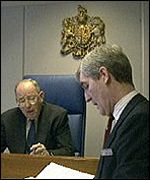
| | Monday, 30 December, 2002, 10:17 GMT Night courts 'to be dropped'  Plans for round-the-clock courts to deal with Britain's "yob culture" have reportedly been shelved. The idea of night courts to administer swift justice to street criminals was heralded by Prime Minister Tony Blair in a key election speech last year on law and order. But a leaked report from the Lord Chancellor's department suggests pilot schemes in London and Manchester have failed. The report claims night sittings are up to 40 times more expensive than daytime court hearings. The Lord Chancellor's department is also said to have questioned whether the threat of immediate custody or fines has deterred criminals. Drunken youths Speculation that the night court plan is to be dropped was fuelled by Deputy Prime Minister John Prescott, who told BBC Radio 4's Today programme: "You set up pilots to see if they work."
As well as proving difficult and costly, the night courts failed to tackle the drunken youths they were set up to target, the Lord Chancellor's department report says. Only a few minor offences such as begging, shoplifting and prostitution were dealt with, it adds. Court staff had to be paid overtime and were given taxi rides home on expenses. Costs were also incurred holding defendants in police cells after prisons refused to take late-night admissions. Night courts join a growing list of schemes aimed at cracking down on street crime and anti-social behaviour, including on-the-spot fines and curfew orders. Quick justice The idea was first suggested by Sir John Stevens, Commissioner of the Metropolitan Police, who saw it at work in New York. In May, the government began two pilot schemes in London and Manchester at a cost of �5.4m. Harry Fletcher, assistant general secretary of the National Association of Probation Officers, told the Times the British system did not place a great reliance on quick justice. He said: "This expensive experiment must not be rolled out nationally as it would waste money that could be put elsewhere in the hard-pressed criminal justice system." Mr Fletcher told the newspaper that, during the pilot, it cost an average of �4,000 to process a defendant compared with �1,610 in an ordinary court. Staff had to receive overtime pay and taxis had to be used to shuttle staff if public transport was not available. The Lord Chancellor's department told the BBC "no decision" had been taken on night courts. Its report is due out early in the new year. | |
See also:  30 Dec 02 | Politics 15 May 02 | Politics 05 Sep 01 | UK 10 Mar 02 | UK 18 May 02 | England Internet links: The BBC is not responsible for the content of external internet sites | |||||||||||||||||||||||||||||||||||||||||||||||||||||||||||||||||||||||||||||||||||||||||||||||||||||||||||||||||||||
 | |
|  E-mail this story to a friend E-mail this story to a friend |
| |
|
| | | ||
 | ||||
 | | Back to top
| ||
| ---------------------------------------------------------------------------------- To BBC Sport>> | To BBC Weather>> | To BBC World Service>> ---------------------------------------------------------------------------------- © MMIII | News Sources | Privacy |