|
 |
 | | | | | | |||||||||||||||||||||||||||||||||||||||||||||||||||||||||||||||||||||||||||||||||||||||||
| | | You are in: UK: Politics | |||||||||||||||||||||||||||||||||||||||||||||||||||||||||||||||||||||||||||||||||||||||||||
|
| | Thursday, 5 December, 2002, 15:26 GMT Minister denies 16% council tax rise 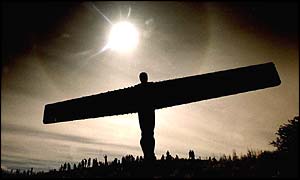 Southern councils fear they will lose out to the North A wholesale shake-up in the way Whitehall allocates cash to local authorities will not lead to large increases in council tax, the government is insisting.
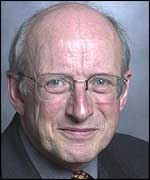
Mr Raynsford said no English council would receive a cut in grant in cash terms compared to last year's figures. But the Tories said it would mean 16% rises in Council Tax in many areas, while the Lib Dems said the government's own figures suggested an average increase of 7% - three times the rate of inflation. Increases Mr Raynsford said there was "no reason why councils cannot continue to improve services whilst sticking to reasonable council tax increases". In a statement, he said total support from government grant and business rates would add up to �51.2bn - a rise on this year of �3.8bn or 8%. The money would be made up of �24.3bn in revenue support grant from the government, �15.6bn in redistributed business rates, �4.1bn in police grant and �7.3bn in other grants. Mr Raynsford said the settlement meant a 3% total increase for shire districts, police and fire authorities; and 3.5% for unitary authorities, county councils, metropolitan councils and London boroughs. Winners Mr Raynsford said the system would be simpler, "more transparent and more just" than the current Standard Spending Assessment.
Both the East and West Midlands will see grant increases of 7.1% next year. Regional figures also show that the South East has come off worst, with an increase of 4.5%. This will fuel fears that the new formula for distributing grant is likely to favour the Midlands and North over the long term. No authority will get an increase lower than 3%, and the maximum will be 12.5% in shire districts. However, counties in the South East who were fearing big rises in council tax appear to have done generally better than they expected, but treasurers are still studying the figures. Complexity concern The Conservatives said the changes would mean many families will be facing a big increase in council tax over the next two years.
Mr Pickles said some families would face bills of more than �1,000 for the first time. He told MPs the system was "now more complex, opaque and unjust than the one it seeks to replace". He said it would transfer cash from Conservative constituencies in market towns and rural areas to Labour ones in cities and towns. Consultation The Tory spokesman accused Mr Raynsford of using a "particularly heavy sledge hammer to give some money to a few nuts". Edward Davey, for the Liberal Democrats, said the changes would mean council tax hikes and that schools and social services would lose out. The government's own figures suggested there would be a 7% increase in council tax bills, he claimed. Mr Davey argued there should have been a greater period of consultation before the changes were announced. Local authorities collect council taxes but much of their spending is funded by central government grants, which also redistribute locally collected business rates. Southern councils warned the system will be unfair say factors such as the level of disabled children is the same across the country and does not depend on factors like quality of housing. Surrey County Council claims the South-East lose �500m in grants - the same as more than 15,000 teachers and care for more than 50,000 vulnerable elderly people. Census complaints Surrey has joined forces with other councils, such as Kent and Hampshire, to launch a Save The South-East campaign and warn council taxes may need to rise by 20% next year. There are complaints too that the formula will rely too heavily on the 2001 census, which some councils believe did not count many people. Westminster City Council believes the census undercounted its population by more than 63,000. Together with the grants review, the council faces "future financial crisis", it says. Most London boroughs are, however, reported to have persuaded ministers that their deprivation problems are as bad as many areas in northern England. | | See also:  04 Dec 02 | Politics 05 Dec 02 | England 15 Feb 02 | Wales 15 Feb 01 | Scotland 16 Mar 01 | Politics Internet links: The BBC is not responsible for the content of external internet sites | |||||||||||||||||||||||||||||||||||||||||||||||||||||||||||||||||||||||||||||||||||||||||
| |
|  E-mail this story to a friend E-mail this story to a friend |
| |
|
| | | ||
 | ||||
 | | Back to top
| ||
| ---------------------------------------------------------------------------------- To BBC Sport>> | To BBC Weather>> | To BBC World Service>> ---------------------------------------------------------------------------------- © MMIII | News Sources | Privacy |