|
 |
 | | | | | | ||||||||||||||||||||||||||||||||||||||||||||||||||||||||||||||||||||||||||||||||||||||||||||||||||||||||||||||||||
| | | You are in: UK: Politics | ||||||||||||||||||||||||||||||||||||||||||||||||||||||||||||||||||||||||||||||||||||||||||||||||||||||||||||||||||||
|
| | Monday, 2 December, 2002, 10:37 GMT Labour's link man 
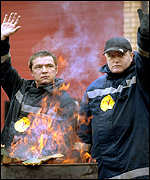
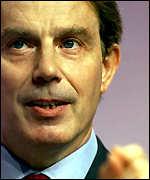
Much of David Treisman's time is spent attending to relations with the trade unions. Nothing unusual in that for the Labour Party's general secretary, but of particular importance given the industrial crisis engulfing Tony Blair.
Relations between the government and Labour's affiliated unions are at an all-time low. So low, in fact, that some wonder if the century-old Labour-union link has been pushed to the limits of sustainability. "For the first time in a long time we've got a major national dispute going on and of course things are always more difficult at times like that," concedes Mr Triesman. "But I think it's also true that the unions, by and large, understand the argument that Gordon Brown and others have made." If they do they certainly haven't been saying so. "Well, they may say they don't when they're doing an interview," he says. "But we're all big kids in a big kids' playground and I tell you that when I talk to [them], they understand the point very well." Unions still 'integral to Labour' Nevertheless the Labour-union link, having receded as a live issue once Tony Blair swept to power, has made its way back onto the agenda.
"The trade unions are an absolutely integral part of the Labour Party - not just as a matter of history but as a matter of our living politics today. Absolutely integral." He insists the link is in a healthy, viable state, the current strains no more than part of the standard ups and downs of any long-term relationship. But with both sides in the dispute hardening their positions, he issues what a caveat that amounts to a stark warning of the possible unintended consequences: "It is very important to people in the party, the government and the trade unions not to accidentally sleepwalk to a catastrophe without recognising that they might be going in that direction." Stepping back from the brink Despite the raised stakes and the exchange of "No surrender" rhetoric between ministers and the FBU, Mr Triesman does not believe divorce is on the cards.
"But my belief is that while people express their views on this dispute very strongly, I don't believe people from the trade union side want to break the link as a result of it. "And I sure as hell don't want to break it from the party's side." And though the suggestion of disaffiliation from Labour might have been implicitly raised by Mr Gilchrist, as it has been in the past by his political ally and leader of the RMT rail union Bob Crow, "my sense is that people often step back from the brink when they think about all the consequences." Bid to stabilise financial crisis Whatever the other reasons for Labour maintaining its links with the unions, in the absence of state funding the party needs their money - badly. They remain one of Labour's biggest single sources of income and a rare point of stability in the worst financial crisis the party has ever faced: record debt, plummeting membership and a slump in donations. Union chiefs rejected a four-year funding deal presented to them by Mr Triesman and the then party chairman, Charles Clarke, in the autumn. But Labour's general secretary says he is still hopeful of reaching an agreement before Christmas. It isn't just the party's mammoth overdraft that needs feeding. Labour fights difficult elections for the Scottish Parliament and Welsh Assembly next year. Too much election spending Figures submitted to the Electoral Commission reveal record spending by the political parties for last year's general election - �45m in total.
But he admits to doubts over whether the spending frenzies typical of recent years are worth it. "I do sometimes pause and wonder whether it's absolutely necessary or money well spent," he says. "I didn't have to take the decision before the last election but thinking about future elections, all the people who hire out advertising billboards make vast profits because we have a kind of arms war among the parties to book more and more and get as many posters up as possible. Does it all have an impact?" 'Lower spending cap' It has long been conventional psephological wisdom that elections are won or lost in the year ahead of polling, rather than during the spending binges which now characterise modern general election campaigns. "Does it all make complete sense?" Mr Triesman asks. "I don't know and I sometimes worry about that question myself." "If someone were to say 'Let's lower the limit of what could be spent in a general election, could you cope with that and would it make sense?' I think my answer is yes to both." Would it even be a helpful discipline if the cap on spending, currently set at just over �15m, were lowered to below the �11m Labour spent on its campaign at the last general election? "I could live with that discipline, absolutely," he readily agrees, "because it's not clear to me that some of the expenditure is all terribly useful to the people who then vote, or that they pay that much attention to some of it." | |
See also:  02 Dec 02 | UK 26 Nov 02 | Politics 10 Sep 02 | Politics 06 Sep 02 | Business 14 Apr 02 | Politics 29 Mar 02 | Politics Internet links: The BBC is not responsible for the content of external internet sites | ||||||||||||||||||||||||||||||||||||||||||||||||||||||||||||||||||||||||||||||||||||||||||||||||||||||||||||||||||
| |
|  E-mail this story to a friend E-mail this story to a friend |
| |
|
| | | ||
 | ||||
 | | Back to top
| ||
| ---------------------------------------------------------------------------------- To BBC Sport>> | To BBC Weather>> | To BBC World Service>> ---------------------------------------------------------------------------------- © MMIII | News Sources | Privacy |