
|
 |
 | | | | | | ||||||||||||||||||||||||||||||||||||||||||||||||||||||||||||||||||||||||||||||||||||||||||||||||||||||||||||||||||||||||
| | | You are in: UK: Politics | ||||||||||||||||||||||||||||||||||||||||||||||||||||||||||||||||||||||||||||||||||||||||||||||||||||||||||||||||||||||||||
|
| | Wednesday, 20 November, 2002, 18:12 GMT Police warn of street crime red tape 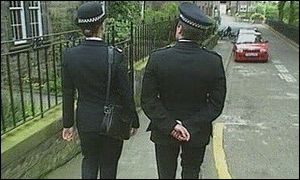 Some concern has been expressed over the plan Senior police officers have warned that forces risk being swamped with bureaucracy if the Home Secretary's National Policing Plan is enforced. The plan makes fighting street crime, burglary and violence the top priorities for police forces in England and Wales over the next year. Home Secretary David Blunkett highlighted the priorities as he unveiled the first ever National Policing Plan - spelling out the key aims for all 43 forces in the UK.
The plan spells out objectives for all forces but Mr Blunkett denied the move amounted to setting up a national police force. But the plan has raised concerns among senior police chiefs and rank and file officers. Vice-president of the Association of Chief Police Officers, Chris Fox, said its members supported the concept of a national planning framework and want to see the service to the public improved. But he said they were concerned about the achievability of the plan. Mr Fox said: "It may not succeed due to its wide-ranging ambition and absence of consideration of the police ability to deliver. "Whilst the document may be useful in describing the type of police service we would like to see, as a plan it may be a plan to fail." Working document He said another concern was that each force will be required to produce an increasing number of plans at a time when the service was being encouraged to reduce bureaucracy. Mr Blunkett said other key priorities include drug-related crime, car crime and anti-social behaviour.
It was "a working document, not a wish-list, informing local plans and putting people at the heart of policing", he added. "It is part of wider government reforms essential to reducing crime, anti-social behaviour and the fear of crime, and balancing justice in favour of victims." Police funding is due to be increased by 5.4% in 2003-2004, bringing it up to �9.6m, to help carry out the changes. But the reaction has been mixed. Rank and file officers are worried that targeting one area could mean neglecting others. Jan Berry, of the Police Federation, said the plan included things like road safety and road accidents but there were no targets set for them. "We have to be careful about not doing all the things you can't count - there is an awful lot of policing in that which we shouldn't underestimate," she said. The Conservatives have suggested the government is trying to set up a national force. Each key priority included in the document, brought in by this year's Police Reform Act, must be reflected in police forces' local plans. Successful initiatives Rather than setting specific targets, it sets out general priorities. One of the aims of the project is to recognise successful initiatives which can then be adopted across police forces. This year has already seen an unprecedented attack on street crime by the government. From April to September, robberies and snatch thefts fell 16% across 10 targeted police forces. The number of robbery offences was down 10% compared to the same period last year. The government spent �67m on the initiative and is keen to keep up the momentum. | |
See also:  18 Sep 02 | Cracking Crime 12 Jul 02 | UK 03 Jul 02 | UK Internet links: The BBC is not responsible for the content of external internet sites | ||||||||||||||||||||||||||||||||||||||||||||||||||||||||||||||||||||||||||||||||||||||||||||||||||||||||||||||||||||||||
| |
|  E-mail this story to a friend E-mail this story to a friend |
| |
|
| | | ||
 | ||||
 | | Back to top
| ||
| ---------------------------------------------------------------------------------- To BBC Sport>> | To BBC Weather>> | To BBC World Service>> ---------------------------------------------------------------------------------- © MMIII | News Sources | Privacy |






