|
 |
 | | | | | | ||||||||||||||||||||||||||||||||||||||||||||||||||||||||||||||||||||||||||||||||||||||||||||||||||||||||||||
| | | You are in: UK: Politics | ||||||||||||||||||||||||||||||||||||||||||||||||||||||||||||||||||||||||||||||||||||||||||||||||||||||||||||||
|
| | Wednesday, 20 November, 2002, 12:43 GMT Euro tests no barrier - Blair ally 
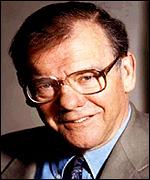
The comment, which contradicts Downing Street's line, came from Lord Haskins, a Labour peer appointed by Tony Blair as the UK's rural recovery chief.
The government says a decision on whether to recommend joining the euro in a referendum will be made based on five economic tests set out by Chancellor Gordon Brown. But speaking at a debate in central London, Lord Haskins said: "Broadly speaking, the economic tests I suspect are broadly going to be satisfied and any reason for not going ahead will be for political reasons. "Politicians and prime ministers are not in the business of putting their heads on the chopping board and having referendums they might not win. But I think we can win." Tony Blair's line on the euro referendum - to decide based on the five tests - was repeated in the Queen's Speech last week. Lord Haskins, chairman of the government's Better Regulation Task Force, and the prime minister's personal advisor on rural affairs, was joined by former French employment minister Elisabeth Guigou, Tory MP Boris Johnson and ex-Prudential chairman Sir Martin Jacomb at the debate in central London. Opposing a motion which suggested Britain would thrive outside the euro, he said delaying entry to the euro would reduce the UK's credibility in Europe and "must raise questions about our overall commitment to the European project".
The Treasury is committed to ruling on the five economic tests - which assess how joining the euro would affect the UK economy - by June 2003. Concluding the debate, Lord Haskins warned: "Watch inward investment if there no referendum next year." Fears And he quipped: "If it is ducked next year, then in 15 years Prime Minister Boris Johnson will be entering with enthusiasm 15 years too late and on worse terms than now." But Lord Haskins and M Guigou were defeated in a vote at the end of the Intelligence Squared debate at the Royal Geographical Society, with 270 people supporting the motion and 132 against.
"The problem with the euro is a problem of democracy and your ability to kick out those who set economic indicators," he said. He said the ultimate objective was to promote Europe as a substitute to nationhood, with harmonised taxation. "What's the point of electing MPs to set tax rates if they are powerless because decisions are being taken in Brussels or Frankfurt?" Isolated Mr Johnson said it was in the best interests of the UK to "put this one off to your children or your grandchildren
She said: "Britain has a very particular status in Europe. If Britain was to say 'no' then such a status would have to be considered and British influence would be diminished. "Tony Blair has been successful in bringing back the UK at the core of Europe. If you want not to be isolated again, if you want your country to be in the core of the European Union, I think that you must be in (the euro). "A lot has been taken on trust. It would become another story if the answer was no." Pain Responding to M Guigou's "vaguely threatening" comments, Mr Johnson said: "We will remain fully paid up members of the EU and it would be wrong if we were punished in some way." He said the euro required the UK to suffer economic pain for the good of Europe as a whole.
Sir Martin said the euro was heading for "a prolonged period of danger and unstable economic conditions" amid German economic woes. And he said claims of UK trade diminishing within the EU were wrong. "The statistics are based on flawed statistical methodology," he said. 'Dangerous' He said: "We are very well placed when it comes to investment. It is absolutely fanciful to say we would get more influence inside the euro. "The only way we could retain our influence is outside the euro." M Guigou denied that she was threatening, but said it was "dangerous" to take a decision based on short-term concerns such as current economic difficulties in Germany. At one point, M Guigou was hissed by the audience as she answered a point from a young speaker who said the euro would not suit different economies in Europe. "Not much can be said at such emotional feeling," she said. "Just be sure you are doing what is right for your country. To barracking, she went on: "You are very young....I respect his belief.....what can I say?" | |
See also:  06 Nov 02 | Politics 16 May 02 | Politics 25 Sep 02 | Politics 27 Feb 02 | Politics Internet links: The BBC is not responsible for the content of external internet sites | ||||||||||||||||||||||||||||||||||||||||||||||||||||||||||||||||||||||||||||||||||||||||||||||||||||||||||||
 | |
|  E-mail this story to a friend E-mail this story to a friend |
| |
|
| | | ||
 | ||||
 | | Back to top
| ||
| ---------------------------------------------------------------------------------- To BBC Sport>> | To BBC Weather>> | To BBC World Service>> ---------------------------------------------------------------------------------- © MMIII | News Sources | Privacy |






 There is only one way for Britain to thrive and that is to take this further step along the European road