|
 |
 | | | | | | ||||||||||||||||||||||||||||||||||||||||||||||||||||||||||||||||||||||||||||||||||||||||||||||||||||||||||||||||||||||||
| | | You are in: UK: Politics | ||||||||||||||||||||||||||||||||||||||||||||||||||||||||||||||||||||||||||||||||||||||||||||||||||||||||||||||||||||||||||
|
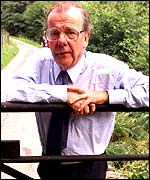
| | Wednesday, 6 November, 2002, 03:18 GMT Farmers told to end handout culture 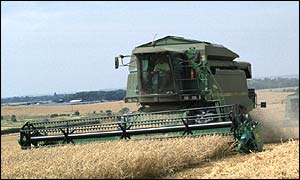 Haskins says Europe's farmers can survive competition The biggest threat facing Europe's farmers is if they refuse to abandon their "culture of dependence", a key former UK Government adviser has warned. Chris Haskins, who headed Britain's Rural Recovery Task Force in the wake of last year's foot-and-mouth crisis, says Europe's farms will not go into meltdown if they have to compete in an open global market without production subsidies.
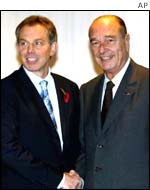
In a new essay, Lord Haskins also says English farmers are too often prevented from converting old buildings because planners take too much notice of people who live in towns and cities. The essay, entitled 'Is there a future for European farming?', is published by the Foreign Policy Centre and follows Tony Blair's spat with Jacques Chirac over reforming Europe's Common Agricultural Policy (CAP). 'Huge demand' Lord Haskins is upbeat about Europe's ability to compete if subsidies are dropped and farmers are instead paid for looking after the countryside. European agriculture could also cope if protectionist barriers to world food trade are torn down, he argues.
"The greatest threat for the future lies with the farmers themselves. "If they reject change, including the need to abandon the culture of dependence, then the long term erosion of their position will only accelerate." Lord Haskins says plans to ban Europe and America from dumping food surpluses on the world market would mean food prices would rise. Regional premiums Europe's farmers also have a key advantage over their competitors because 400 million wealthy consumers in the EU rely on them for safe, short-shelf-life food, he says. The higher costs imposed by regulations in Europe can also be turned into a chance to build greater confidence in the quality and safety of their food. Lord Haskins also argues there are premiums to be won through selling regional foods, such as English stilton.
"Farmers should assess the business case for organic and avoid being beguiled by encouraging noises from retailers and organic farming evangelists," says Lord Haskins. Last year's foot-and-mouth epidemic was viewed as a hammer blow to the UK countryside but Lord Haskins says predictions that many farmers would leave the industry have proved ill-founded. "The vast majority of them have chosen to restock, forcing the price of breeding stock up," he says. That suggests those farmers are confident about the future, he argues, although acknowledging many of them may not be able to contemplate a future out of farming. There is a contradiction too that tractor sales remain buoyant while many farmers complain they are bankrupt, says Lord Haskins. Change efforts thwarted Many farmers are looking to diversify in what they do, especially by converting old farm buildings. But Lord Haskins says planning authorities in countries like England and the Netherlands often resist such requests. "Too much attention is given to the views of rural commuters and owners of second homes in the countryside who care little and understand little about the rural economy," he says. Lord Haskins views are likely to be carefully examined in government, where he is tipped to get a new role reviewing the spending of the Department of Environment, Food and Rural Affairs. | |
See also:  28 May 02 | England 21 Feb 02 | Wales 20 Feb 02 | Wales 18 Oct 01 | Politics Internet links: The BBC is not responsible for the content of external internet sites | ||||||||||||||||||||||||||||||||||||||||||||||||||||||||||||||||||||||||||||||||||||||||||||||||||||||||||||||||||||||||
| |
|  E-mail this story to a friend E-mail this story to a friend |
| |
|
| | | ||
 | ||||
 | | Back to top
| ||
| ---------------------------------------------------------------------------------- To BBC Sport>> | To BBC Weather>> | To BBC World Service>> ---------------------------------------------------------------------------------- © MMIII | News Sources | Privacy |