|
 |
 | | | | | | ||||||||||||||||||||||||||||||||||||||||||||||||||||||||||||||||||||||||||||||||||||||||||||||||||||||||||||||
| | | You are in: UK: Politics | ||||||||||||||||||||||||||||||||||||||||||||||||||||||||||||||||||||||||||||||||||||||||||||||||||||||||||||||||
|
| | Sunday, 27 October, 2002, 15:38 GMT Relief over fire strike suspension 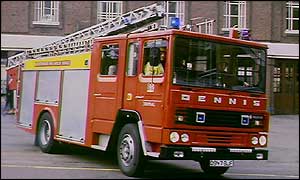 A resolution of the dispute now looks more likely
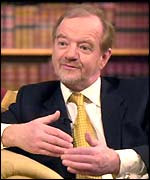
Ministers are breathing a heartfelt sigh of relief that the threat of fire brigade strikes has been suspended. Likewise the Fire Brigades Union (FBU) and the TUC. Leader of the House Robin Cook was not just speaking for himself when he enthused over John Prescott's intervention, describing it as "a terrific job".
Mr Cook, speaking on the BBC's Breakfast with Frost programme restated that any pay deal that significantly breached the level of inflation must be linked to modernisation of the fire service. Fine tuning A little later his cabinet colleague John Reid, the hard man of New Labour newly installed as the party's chairman, pointed out the government was all for investing in quality public services but they must be delivered "as efficiently as possible". This is the next hurdle to clear in the dispute. Doing so is unlikely to be easy: governments of all colour can testify to the difficulties of tackling long-established working practices.
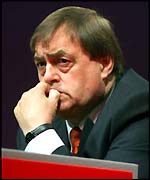
So far, they are still officially refusing to have anything to do with it. Ministers have been anxious to play down comparisons with the Winter of Discontent. This is entirely understandable, since it was that confrontation with public sector unions which brought the last Labour government crashing to defeat and cast the party into the wilderness for the next 18 years. But one inescapable sense in which the firefighters' dispute has seen a return to Old Labour is the direct involvement of government ministers in an industrial dispute over pay. Long-term effects Initially the government had hoped it would be able to maintain at least the appearance of a hands-off role in the dispute, leaving it to the workers and their employers - the town halls - to sort out. Now, of course, they are in the thick of it for all to see. It was probably always a vain hope that it could be otherwise. The FBU had other ideas, repeatedly calling for Mr Prescott - the deputy prime minister was once a proud strike organiser himself - to meet its leaders. The union is also formally affiliated to the Labour Party. Nurses, teachers and college lecturers all have above-inflation pay demands pending. Others in the public sector are watching closely to see what precedents are set by the way the firefighters are handled. The knock-on effects could become apparent within only a short time of any resolution of the FBU's dispute. | |
See also:  27 Oct 02 | Politics 25 Oct 02 | UK 25 Oct 02 | Politics 24 Oct 02 | Wales 27 Oct 02 | UK Internet links: The BBC is not responsible for the content of external internet sites | ||||||||||||||||||||||||||||||||||||||||||||||||||||||||||||||||||||||||||||||||||||||||||||||||||||||||||||||
| |
|  E-mail this story to a friend E-mail this story to a friend |
| |
|
| | | ||
 | ||||
 | | Back to top
| ||
| ---------------------------------------------------------------------------------- To BBC Sport>> | To BBC Weather>> | To BBC World Service>> ---------------------------------------------------------------------------------- © MMIII | News Sources | Privacy |