|
 |
 | | | | | | |||||||||||||||||||||||||||||||||||||||||||||||||||||||||||||||||||||||||||||||||||||||||||||||
| | | You are in: UK: Politics | |||||||||||||||||||||||||||||||||||||||||||||||||||||||||||||||||||||||||||||||||||||||||||||||||
|
| | Friday, 18 October, 2002, 11:42 GMT 12:42 UK Another fine mayoral mess for Labour 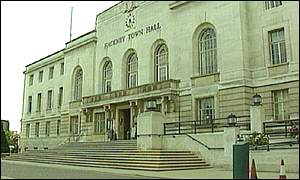 Hackney town hall is now home to a Labour mayor
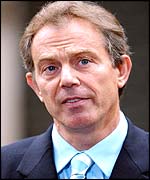
The government's experiment in re-energising local democracy with mayors has not turned out the way it was supposed to, to put it mildly. It was Tony Blair's conviction that US-style directly-elected mayors had a central role to play in modernising local government that ensured the idea became a flagship New Labour policy.
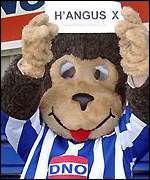
Abysmally low voter turn-out for local elections was another problem the introduction of mayors would tackle. Apathetic electors, having had their local affairs run by faceless councils for years, would be stimulated to the polling booths by the prospect of a single accountable individual on whose desk the buck would stop. Sceptics, among them John Prescott, had little option but to go along with the plan. They may now be telling Mr Blair: "We told you so". Fringe candidates triumph With the exception of Hackney, the latest mayoral contests have delivered victories for independent candidates. Before those, mayoral elections produced a monkey in Hartlepool, a Robocop in Middlesbrough and a Ken Livingstone in London. In fact, of the dozen contests that have taken place so far, half have been won by fringe or rebel candidates and just six by the mainstream political parties. Nor has there been any discernible positive effect on turnout - in Mansfield it was as low as 18.5%.
To the worry of ministers, however, what has increased are the opportunities for extreme right-wing parties to mobilise during the campaigns and seek to build on support in a number of northern towns. The BNP's third place showing in the Stoke mayoral fight, where it won nearly a fifth of the vote, follows its win of three seats in Burnley at the May council elections. More grief to come It has all turned out to be a bit of an embarrassment for the government and there have been signs that the policy is being allowed to quietly run into the sand. This summer, ministers announced they would no longer be forcing local authorities to hold mayoral referendums. There is more mayoral grief yet to come, though. Labour is currently in the final stages of deciding who will be its candidate for London mayor in 2004. In contrast to the high drama of the last time the party went through the same selection process, the present low-profile contest is characterised by profound defeatism - of London Labour MPs, party officials and members at their chances of beating the incumbent, Ken Livingstone. Many of them see even beating the Conservatives to second place as too much to hope for, and are braced for a repeat humiliation at the polls. For the Labour MPs who never liked the idea of a rival elected office-holder competing for local political credit on their patch, that's another fine mess that the idea of mayors has got the party into. | | See also:  18 Oct 02 | Politics 17 Oct 02 | England 18 Oct 02 | England 25 Jun 02 | Politics 14 May 02 | England 03 May 02 | Politics 16 May 00 | Politics Internet links: The BBC is not responsible for the content of external internet sites | |||||||||||||||||||||||||||||||||||||||||||||||||||||||||||||||||||||||||||||||||||||||||||||||
| |
|  E-mail this story to a friend E-mail this story to a friend |
| |
|
| | | ||
 | ||||
 | | Back to top
| ||
| ---------------------------------------------------------------------------------- To BBC Sport>> | To BBC Weather>> | To BBC World Service>> ---------------------------------------------------------------------------------- © MMIII | News Sources | Privacy |