|
 |
 | | | | | | ||||||||||||||||||||||||||||||||||||||||||||||||||||||||||||||||||||||||||||||||||||||||||||||||||||||||||||||||||||
| | | You are in: UK: Politics | ||||||||||||||||||||||||||||||||||||||||||||||||||||||||||||||||||||||||||||||||||||||||||||||||||||||||||||||||||||||
|
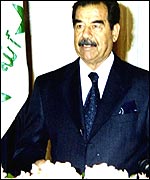
| | Tuesday, 24 September, 2002, 08:18 GMT 09:18 UK Blair's case for the prosecution 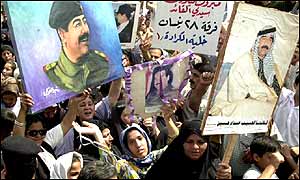 Dossier presents a compelling picture of Saddam
While the 50 page document certainly presents a convincing picture of Saddam's current military capabilities and his eagerness to develop them further, it fails to provide the absolute proof required by the prime minister's critics.
The Iraqi leader may well have chemical and biological weapons which he has already used and is more than willing to deploy again. The dossier graphically underlines that fact. He may well have started to rebuild his weapons sites and create new ones since 1998 - that also appears proven. Hair trigger And he would almost certainly love to get his hands on a nuclear weapon and the means of delivering it if he could buy and develop the necessary materials and equipment. The document does reveal that he has been trying to do just that from Africa. But virtually all of that was already known and, on first reading, there is little fresh knowledge revealed in the document. Part of its impact lies in the simple bringing together of all the existing evidence. Few would deny that it offers a deeply worrying picture of a dangerous dictator impervious to international opinion, continuing to develop weapons of mass destruction and with a hair trigger. But if Mr Blair's intention was simply to show that Saddam was a bad man, then he probably did not need this document. Unique concerns If he wanted to prove that Saddam had nuclear weapons or was within an ace of getting and using them, or was planning to launch a chemical or biological assault on another country, he would have needed something more than this.
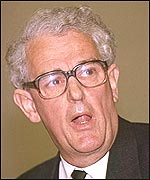
"It arises because of the violent and aggressive nature of Saddam Hussein's regime. His record of internal repression and external aggression gives rise to unique concerns about the threat he poses." In other words, Saddam really is a very bad man indeed and should not be trusted an inch. Taken together, all this may well be enough to sway some doubters, but hard-line dissidents are unlikely to be moved. What the document entirely fails to do - and possibly could never have done - is show that Saddam Hussein is a current threat, or what his future intentions are. And Mr Dalyell makes a powerful point when he says that Saddam must know that if he ever uses a nuclear device he would be instantly "flattened." After all, wasn't it the MAD (mutually assured destruction) threat that was credited with keeping the peace for the best part of half a century during the cold war? | |
See also:  24 Sep 02 | Politics 24 Sep 02 | Politics 24 Sep 02 | Americas Internet links: The BBC is not responsible for the content of external internet sites | ||||||||||||||||||||||||||||||||||||||||||||||||||||||||||||||||||||||||||||||||||||||||||||||||||||||||||||||||||||
| |
|  E-mail this story to a friend E-mail this story to a friend |
| |
|
| | | ||
 | ||||
 | | Back to top
| ||
| ---------------------------------------------------------------------------------- To BBC Sport>> | To BBC Weather>> | To BBC World Service>> ---------------------------------------------------------------------------------- © MMIII | News Sources | Privacy |