|
 |
 | | | | | | |||||||||||||||||||||||||||||||||||||||||||||||||||||||||||||||||||||||||||||||||||||||||||||||||
| | | You are in: UK: Politics | |||||||||||||||||||||||||||||||||||||||||||||||||||||||||||||||||||||||||||||||||||||||||||||||||||
|
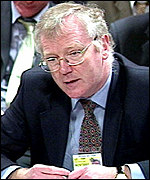
| | Wednesday, 18 September, 2002, 16:26 GMT 17:26 UK Ministers 'kept e-mail spin doctor'  Jo Moore controversy dogged government The senior civil servant at the heart of the Jo Moore affair has signalled it was Stephen Byers and Tony Blair who decided she should keep her job after her infamous e-mail. Sir Richard Mottram was giving evidence on the last day of hearings in an inquiry into the role of special advisers.
"I do not think anyone seriously thought it was the disciplinary process," Sir Richard told the Committee for Standards in Public Life's inquiry. He was asked whether the secretary of state in a department was accountable for disciplining a special adviser in such a case. 'Wrong question' Sir Richard replied: "In a case of that kind, I think it is the secretary of state and the prime minister." The civil servant, who is now permanent secretary of the Department for Work and Pensions, had been asked what penalties a civil servant would face in such a case.
Ms Moore later resigned, along with Martin Sixsmith, the transport media director with whom she had clashed. The episode eventually saw Mr Byers himself leave his cabinet post. Praise At the time, ministers said Ms Moore had made a terrible error of judgement but said she had been dealt with through the right disciplinary procedures. Sir Richard has already told a Commons committee that the decision to keep her in her job was made above his level. He insisted there was a legitimate role for politically appointed special advisers in government to do things civil servants could not and bring new viewpoints. Care was needed for permanent secretaries to induct outsiders into government's public service ethos, he said. "In the case of one special adviser I suppose I did not do that brilliantly," he added. That view was voiced earlier on Wednesday by Cabinet Office Minister Lord Macdonald. Lord Macdonald told the committee's inquiry: "If we want to solve a problem then special advisers can be a very useful network to think of measures and a useful shortcut." Having heard from 48 witnesses, the Wicks Committee will now work on producing recommendations about where the boundaries should lie between civil servants, ministers and special advisers. | |
See also:  05 Mar 02 | Politics 05 Mar 02 | Politics 04 Mar 02 | Politics 04 Mar 02 | Politics Internet links: The BBC is not responsible for the content of external internet sites | |||||||||||||||||||||||||||||||||||||||||||||||||||||||||||||||||||||||||||||||||||||||||||||||||
| |
|  E-mail this story to a friend E-mail this story to a friend |
| |
|
| | | ||
 | ||||
 | | Back to top
| ||
| ---------------------------------------------------------------------------------- To BBC Sport>> | To BBC Weather>> | To BBC World Service>> ---------------------------------------------------------------------------------- © MMIII | News Sources | Privacy |