|
 |
 | | | | | | |||||||||||||||||||||||||||||||||||||||||||||||||||||||||||||||||||||||||||||||||||||||
| | | You are in: UK: Politics | |||||||||||||||||||||||||||||||||||||||||||||||||||||||||||||||||||||||||||||||||||||||||
|
| | Thursday, 12 September, 2002, 03:06 GMT 04:06 UK Council reforms 'not working' 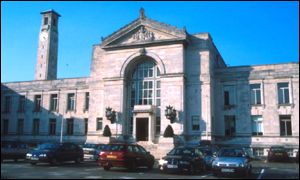 The government has reformed how town halls work Attempts to make local councils more outward looking and focused on improving their services are not working, says a group of MPs. In many cases, town halls have become more introverted, despite the government spending "a great deal of time, money and effort" on improving their credibility, says the Commons committee.
The government says it will study the MPs' findings, but it stresses the changes begun by new legislation two years ago are still "at an early stage". Confidence drive Controversy greeted the new cabinet-led council system when it was introduced in 2000 and the latest criticism comes from the Commons transport, regions and local government select committee. The MPs argue the government's aim of "restoring the self-confidence" of councils, which run local services like libraries, social services and waste collection, has been neglected.
"Our inquiry heard how, instead, many councils have become more introverted, looking at their constitutions rather than thinking about ways to improve services. "Non-executive councillors now find themselves completely cut off from the decision making process and as a result, are unable to properly represent their constituents." Scrutiny worries Full councils need the power to delay or reject controversial decisions made by cabinets, say the MPs. Echoing a common complaint of opposition councillors, they say more scrutiny is needed before, not after, decisions are made. They urge the government to allow local authorities to develop ways of working that respond to local needs. The report, published on Thursday, says: "We are concerned that local authorities are now subject to too much scrutiny by too many external organisations." The MPs want councillors to have more time to deal with the concerns of people in their wards, rather than being caught up in council meetings. They are "very concerned" too by reports that local newspapers and broadcasters were little interested in the new council arrangements. Apathy warning Nor are the public aware of the new systems, they say. Where cabinets do not run councils, directly-elected mayors lead local authorities, although only a few areas have so far gone down this route. Conservative local government spokesman Geoffrey Clifton-Brown said that voter apathy in local elections by returning "real power" to councils. "Councils all over the country are drowning under a glut of regulation and red tape," said Mr Clifton-Brown. "No wonder council taxes are increasing at four times the rate of inflation." A spokesman for the Office of the Deputy Prime Minister, which is responsible, for local government, said it would respond further later in the autumn. But he added: "It is important to remember that local authorities are still at an early stage in implementing the new approach set out in the Local Government Act 2000. "The select committee's report gives some early feedback on how councils are getting on and we will look at the points made very carefully." | | See also:  11 Dec 01 | Politics 04 Dec 01 | Politics 02 Aug 01 | Politics 24 Jul 01 | Politics 16 Mar 01 | Politics Internet links: The BBC is not responsible for the content of external internet sites | |||||||||||||||||||||||||||||||||||||||||||||||||||||||||||||||||||||||||||||||||||||||
| |
|  E-mail this story to a friend E-mail this story to a friend |
| |
|
| | | ||
 | ||||
 | | Back to top
| ||
| ---------------------------------------------------------------------------------- To BBC Sport>> | To BBC Weather>> | To BBC World Service>> ---------------------------------------------------------------------------------- © MMIII | News Sources | Privacy |