|
 |
 | | | | | | ||||||||||||||||||||||||||||||||||||||||||||||||||||||||||||||||||||||||||||||||||||||||
| | | You are in: UK: Politics | ||||||||||||||||||||||||||||||||||||||||||||||||||||||||||||||||||||||||||||||||||||||||||
|
| | Thursday, 5 September, 2002, 14:10 GMT 15:10 UK Parliament reforms unveiled 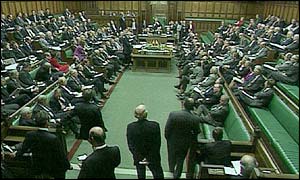 The Commons is set to sit earlier under new proposals Three late night sittings a week for MPs would be scrapped under new proposals for bringing Parliament into the 21st century. The Commons modernisation committee says Parliament should start and finish earlier on Tuesdays, Wednesdays and Thursday.
The proposals also include measures aimed at helping MPs to keep the government in check and at producing better laws. The Commons has already experimented with more standard working hours on Thursdays. Weekly high noon That change should be extended, said the committee, with MPs starting at 11.30am and finishing at 7pm on Tuesdays and Wednesdays and 6pm on Thursdays. That would mean Tony Blair's weekly showdown with Conservative leader Iain Duncan Smith being held at noon on Wednesdays, instead of in the mid-afternoon. Under the plans, MPs would only sit late on Mondays when they need the mornings to travel down from their constituencies.
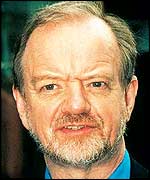
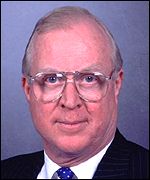
"We are trying to make it more voter friendly, more visible, more interesting, more relevant," said Mr Tyler. The committee believes the "typical" MPs' 60-hour working week will not be reduced. Iraq recall demands Cutting MPs long summer break, so that they return to Westminster in early September and have a break later for the party conferences, is also proposed. The Commons leader said that would stop the need every year for demands that Parliament be recalled early, just as was happening now amid concern about the Iraq crisis. Mr Cook was keen to emphasise other plans to make government more accountable to Parliament.
Better scrutiny made for better government, argued Mr Cook. Among the ideas unveiled on Thursday morning were:
The current rules on tabling questions means ministers will be answering in October questions written in July. That meant the Foreign Office would face no questions about Iraq as soon as Parliament returned, said Mr Cook. There should be more debates where MPs made shorter speeches too, he said. "The world outside prizes brevity and informality and we need to get some of those virtues inside Parliament." 'Visitors welcome' The proposals are part of efforts to reconnect the political process with voters after low turnout at recent elections. They include setting up an interactive visitor centre to make trips organised by MPs to Parliament when it is at work more valuable, especially for school parties. The Commons leader said he wanted to build all-party consensus behind the proposals, which will have to be approved by MPs. Nicholas Winterton, a Conservative member of the committee, said the proposals could have a positive impact. He was worried that allowing bills to be carried over from one parliamentary session to the next could be open to abuse by any government. But if opposition parties were consulted, as promised, "then I believe overall this report will bring great benefits". Democracy campaign group Charter 88 said the plans could produce better scrutiny and legislation. Charter 88 director Karen Bartlett said: "Rather than looking like a zoo full of ostriches with their heads in the sand, MPs will now be able to discuss topical national and international events." | | See also:  05 Sep 02 | Politics 29 Jul 02 | Politics 17 May 02 | Politics 23 Jul 02 | Politics 28 Feb 02 | Politics 15 Dec 99 | Politics Internet links: The BBC is not responsible for the content of external internet sites | ||||||||||||||||||||||||||||||||||||||||||||||||||||||||||||||||||||||||||||||||||||||||
| |
|  E-mail this story to a friend E-mail this story to a friend |
| |
|
| | | ||
 | ||||
 | | Back to top
| ||
| ---------------------------------------------------------------------------------- To BBC Sport>> | To BBC Weather>> | To BBC World Service>> ---------------------------------------------------------------------------------- © MMIII | News Sources | Privacy |