|
 |
 | | | | | | |||||||||||||||||||||||||||||||||||||||||||||||||||||||||||||||||||||||||||||||||||||||||||||||||||||||||||||||||||||||||||||||||||
| | | You are in: UK: Politics | |||||||||||||||||||||||||||||||||||||||||||||||||||||||||||||||||||||||||||||||||||||||||||||||||||||||||||||||||||||||||||||||||||||
|
| | Friday, 6 September, 2002, 11:38 GMT 12:38 UK Euro scepticism sweeps union ranks 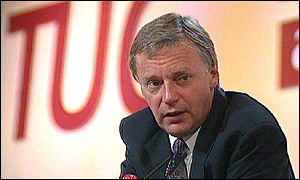 John Monks is an ardent pro-European
In the run up to Blackpool, Mr Monks warned Prime Minister Tony Blair not to betray his pro-euro allies by "bottling out" of holding a referendum next year. He has said it would be "odd" if Mr Blair decided not to address the issue in his conference speech on Tuesday. "What are you in politics for if not to take these big decisions?" he has said.
New scepticism No one has been more tireless in pushing the case for the euro than John Monks during his decade-long reign at the TUC. But the days when Mr Blair could rely on the automatic support of the big unions over the single currency may be over.
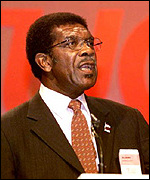
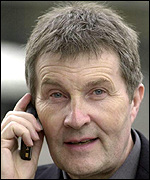
Already in open revolt over the privatisation of public services and pension rights, many unions have now added the euro to their list of potential grievances with the Labour government. The new mood could have serious consequences for any plans Mr Blair might have for holding a referendum in the near future. Lukewarm Of the big four trade unions, only the GMB is still firmly in favour of Britain's entry into the single currency. The TGWU - lukewarm in its support at the best of times - is sounding more hostile to the idea by the day. Leader Bill Morris, a close ally of Chancellor Gordon Brown, has called on the government to defer a referendum until after the next general election. Reforming the public services, he argues, is the really important job - and the one the voters care about. Unison is concerned about the effect of the euro on public services. Several smaller unions such as the RMT and the fire brigade union have also come out against the euro. But the biggest blow for Mr Blair, and one which could have serious consequences for the pro-euro campaign as a whole, has been the apparent defection of Amicus to the anti-euro camp. Shock Mr Blair could always rely on the staunch support of Amicus leader Sir Ken Jackson over the euro, and most other issues. But Sir Ken's shock defeat last month in a bitter leadership battle with left-winger Derek Simpson has turned the old assumptions on their head. Mr Simpson has been quick to re-assure the government that he is not anti-Blair. But all the signs so far suggest he is anti-euro. Funding threat He plans to ballot the 750,000 Amicus members over the single currency, which could be very bad news for the Tony Blair-backed pressure group Britain in Europe. The union is believed to contribute a six figure sum each year to BiE funds, automatically making it one of the key players in any referendum campaign. Mr Simpson seems to think that cash might be better spent on the union's members.
"I don't necessarily subscribe to the view that our members would want us spending their money in this way." Suspicions An ICM poll of 500 trade union members for the No Campaign, in September 1999, showed 66% of AEEU members were against the euro, while 24% were in favour of it. Like many on the Old Left, Mr Simpson harbours deep suspicions about the single currency. John Monks, Sir Ken Jackson and John Edmonds of the GMB have found common cause with the bosses' union the CBI over Europe, particularly on the issue of jobs. The hard-pressed manufacturing sector, in particular, has suffered for years from a high pound, arguably haemorrhaging thousands of jobs to mainland Europe. But Old Labour has tended to view the single currency as the malign invention of global capitalists. And the jobs argument fails to cut much ice. Derek Simpson recently told the BBC: "I don't think it is the euro that leads to loss of jobs, because the effect of the levels of investment, both in plant, equipment and training in Europe vastly outstrips that in this country." "The reality is that the accumulation of investment in Europe means we are at a severe disadvantage." The debate is expected to be furious, but delegates at this year's TUC conference are ultimately expected to support a motion recommending UK adoption of the euro, if the Treasury's five economic tests are met. But the days when Britain's union leaders might have been expected to be at the forefront of the campaign for entry may be over. | |
See also:  22 Aug 02 | Politics 14 Aug 02 | Politics 03 Sep 02 | Politics 02 Sep 02 | Business 02 Sep 02 | Politics 01 Sep 02 | Scotland 12 Jul 02 | Politics Internet links: The BBC is not responsible for the content of external internet sites | |||||||||||||||||||||||||||||||||||||||||||||||||||||||||||||||||||||||||||||||||||||||||||||||||||||||||||||||||||||||||||||||||||
| |
|  E-mail this story to a friend E-mail this story to a friend |
| |
|
| | | ||
 | ||||
 | | Back to top
| ||
| ---------------------------------------------------------------------------------- To BBC Sport>> | To BBC Weather>> | To BBC World Service>> ---------------------------------------------------------------------------------- © MMIII | News Sources | Privacy |