
|
 |
 | | | | | | ||||||||||||||||||||||||||||||||||||||||||||||||||||||||||||||||||||||||||||||||||||||
| | | You are in: UK: Politics | ||||||||||||||||||||||||||||||||||||||||||||||||||||||||||||||||||||||||||||||||||||||||
|
| | Wednesday, 28 August, 2002, 12:50 GMT 13:50 UK Prisoners set for jobs help 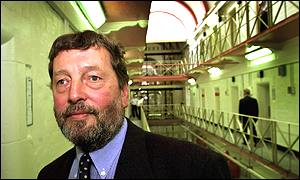 Getting work can combat reoffending, says Blunkett Trials of a scheme to help prisoners find jobs before they are released have been launched by Home Secretary David Blunkett. Thousands of jobs from across the UK will be shown on new touch-screen computers through the new initiative.
But government figures compiled in 2000 showed just 24% of prisoners had a job to go to upon release. Halting reoffending Mr Blunkett was joined by Prisons Minister Hilary Benn and Work and Pensions Minister Malcolm Wicks as he unveiled the Jobpoints pilot at Lewes prison in East Sussex. High street job centres already use the Jobpoints system - something Mr Blunkett introduced when he was employment secretary. Now prisoners will be able to use the computer network to arrange job interviews to coincide with their release. Mr Blunkett said: "We know that ex-offenders who are helped to find and hold on to a job are half as likely to commit a further offence as those who become unemployed. "This has to be good news for all of us." The government's Social Exclusion Unit recently estimated that prisoners who reoffend are responsible for about one million crimes every year. Trial sites Mr Wicks said the stability of working life could help ex-offenders overcome social exclusion. "The man who walks out of those prison gates with a job interview to attend an appointment with a Jobcentre Plus adviser booked, or a list of employees to contact, is in a stronger position to make a fresh start," said Mr Wicks. As well as Lewes, the scheme is being put on trial at Swansea, Featherstone and Hollesley Bay prisons. Another project being piloted at three young offenders' institutions allows inmates access to computers giving information about jobs, training places, benefits, childcare and voluntary work. Other moves to prevent reoffending include proposals to extend the amount of time prisoners can receive housing benefit while in prison. That idea was part of a "national rehabilitation strategy" proposed by the Social Exclusion Unit. | | See also:  20 Aug 02 | UK 21 Mar 02 | UK 21 Mar 02 | Scotland 20 Mar 02 | Politics 18 Feb 02 | UK 04 Feb 02 | Politics Internet links: The BBC is not responsible for the content of external internet sites | ||||||||||||||||||||||||||||||||||||||||||||||||||||||||||||||||||||||||||||||||||||||
| |
|  E-mail this story to a friend E-mail this story to a friend |
| |
|
| | | ||
 | ||||
 | | Back to top
| ||
| ---------------------------------------------------------------------------------- To BBC Sport>> | To BBC Weather>> | To BBC World Service>> ---------------------------------------------------------------------------------- © MMIII | News Sources | Privacy |





