|
 |
 | | | | | | ||||||||||||||||||||||||||||||||||||||||||||||||||||||||||||||||||||||||||||||||||||||||||||||||||||||||
| | | You are in: UK: Politics | ||||||||||||||||||||||||||||||||||||||||||||||||||||||||||||||||||||||||||||||||||||||||||||||||||||||||||
|
| | Friday, 26 July, 2002, 20:15 GMT 21:15 UK 'Livingstone's position shaken' 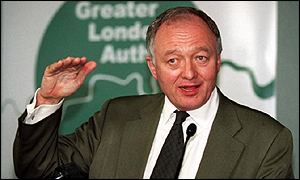 Ken Livingstone: Facing hefty bill
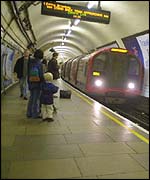
When Ken Livingstone was elected mayor of London he made no secret of his opposition to the government's plans to the Tube. The idea of bringing in private contractors to rebuild the system was not only counter to his political views, but he could see how it might rebound on him as mayor. Only when the commercial negotiations are finalised, the contracts signed, and the work underway, will Mr Livingstone and his authority Transport for London finally get control of the Underground. They already run London's buses. Wrath of voters In effect the mayor will inherit a system for managing the Tube he does not agree with. It is also a system that will remain in place for three decades. This was the basis of his court case. Transport For London (TfL) believes there is a �1.5bn "black hole" in the finances prepared for the public private partnership (PPP). TfL was concerned Londoners would end up picking up the tab for at least that amount, despite government assurances. Ken Livingstone would have to find the money, and would end up facing the wrath of the voters.
After all, it might mean Tube fares increased by 25%. But the lawyers hardly had a chance to put the case. The High Court judge was increasingly convinced by procedural arguments that the mayor was not involved in what amounted to commercial negotiations, and therefore should not have his appeal heard. Because Mr Livingstone was not yet in control of the Tube, he ended up fighting from the outside - everyone else involved in the proposals was privy to the complex negotiations surrounding the PPP. The government, London Underground, and the two companies bidding for the work - Tubelines and Metronet, were just anxious to get on with it. Rebuffed As they saw it, Ken Livingstone and his Transport Commissioner Bob Kiley were simply holding things up - holding up the rebirth of the ailing Tube system. With the collapse of this court case, little stands in the way of the plan, though a legal challenge from the RMT union is pending. Soon contracts will soon be signed, work will start.
The two bidding contractors will take control of the tracks, trains and stations, making profits if the system runs smoothly, paying penalties if things go awry. In the next 30 years the companies will be expected to renovate stations, relay track, refurbish trains, and replace signals. If all goes well, passengers should notice a progressive improvement in the standard of the service. If things go wrong an almighty political row will break out. As for Ken Livingstone - his position has been shaken. Earlier this week his attempts to re-join the Labour party were rebuffed. Defeating the Tube PPP was one of his big promises to Londoners. He has failed, and he has left them with a legal bill thought to be approaching �4m. | |  
See also: 26 Jul 02 | Politics 10 Jul 02 | England 02 Feb 02 | UK 05 Feb 02 | Politics 11 Apr 01 | Politics Internet links: The BBC is not responsible for the content of external internet sites | ||||||||||||||||||||||||||||||||||||||||||||||||||||||||||||||||||||||||||||||||||||||||||||||||||||||||
| |
|  E-mail this story to a friend E-mail this story to a friend |
| |
|
| | | ||
 | ||||
 | | Back to top
| ||
| ---------------------------------------------------------------------------------- To BBC Sport>> | To BBC Weather>> | To BBC World Service>> ---------------------------------------------------------------------------------- © MMIII | News Sources | Privacy |