|
 |
 | | | | | | ||||||||||||||||||||||||||||||||||||||||||||||||||||||||||||||||||||||||||||||||||||||
| | | You are in: UK: Politics | ||||||||||||||||||||||||||||||||||||||||||||||||||||||||||||||||||||||||||||||||||||||||
|
| | Tuesday, 23 July, 2002, 20:58 GMT 21:58 UK Labour opts for women-only short-lists  Labour is hoping to boost female representation At least half of Labour's winnable seats that are seeking new candidates for the next general election are to get women-only shortlists. The party's ruling NEC has decided on the move in a bid to boost female representation in the House of Commons.
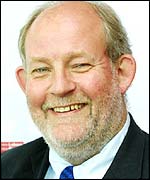
Mr Clarke also dismissed Iain Duncan Smith's decision to make Theresa May the Conservative Party's new chairman as a "synthetic gesture" towards increasing the role of women. Labour MPs are to be asked to say by Christmas 2003 whether they want to stand in the next election - likely to be held in 2005 or 2006. Scotland exempt In half of the vacant seats constituency parties will be required to choose a candidate from an all-women shortlist.
Mr Clarke says he hopes local parties would volunteer to participate in the new system. But he added: "The bottom line is that if we don't get agreement, the NEC will insist that at least 50% plus one of the constituency parties in each region where there are selections in seats we currently hold go to all-women shortlists." He went on: "I must contrast the synthetic commitment to the promotion of women in politics which Theresa's promotion represents to the actual commitment in real hard terms which our NEC is making today to increasing the number of women in Parliament." Legal challenge The re-emergence of women-only shortlists comes after Labour was forced to abandon a previous system following a legal challenge on the grounds of sex discrimination. In the wake of the 2001 election legislation was introduced to allow the use of the shortlists. The chair of the Parliamentary Labour Party's Women's Group, Fiona Mactaggart, said Tuesday's decision showed Labour's commitment to increasing women's representation in parliament. "I am delighted that the re-introduction of all-women shortlists will guarantee that Labour women will be candidates in winnable seats in every region of the country," she said. "This is a step-change in redressing the balance to make sure that as a party we represent and include the people we seek to serve. "Only 18% of MPs are women and the number of women in Parliament decreased at the last general election. "The Labour Party is determined to reverse this trend and we are the only party taking effective action." The number of women MPs currently consists of 118 of a total of 659 members. | | See also:  03 Aug 01 | Politics 27 Sep 01 | Politics 08 Aug 01 | Politics 21 Dec 01 | Politics 02 Feb 02 | Politics | ||||||||||||||||||||||||||||||||||||||||||||||||||||||||||||||||||||||||||||||||||||||
|  |
|  E-mail this story to a friend E-mail this story to a friend |
 | |
|
| | | ||
 | ||||
 | | Back to top
| ||
| ---------------------------------------------------------------------------------- To BBC Sport>> | To BBC Weather>> | To BBC World Service>> ---------------------------------------------------------------------------------- © MMIII | News Sources | Privacy |




 This is a step-change in redressing the balance to make sure that as a party we represent and include the people we seek to serve