
|
 |
 | | | | | | ||||||||||||||||||||||||||||||||||||||||||||||||||||||||||||||||||||||||||||||||||||||||||||||||||||||||||||||||||||||||||||||||||||||||||||||||||||||||||||||||||||||||||||
| | | You are in: Politics | ||||||||||||||||||||||||||||||||||||||||||||||||||||||||||||||||||||||||||||||||||||||||||||||||||||||||||||||||||||||||||||||||||||||||||||||||||||||||||||||||||||||||||||||
|
| | Wednesday, 19 June, 2002, 15:32 GMT 16:32 UK Speed camera rules 'will cause deaths' All speed cameras are to be painted yellow People will die because of new government moves to make speed cameras more visible and restrict them to accident blackspots, MPs have warned. The alert, from the powerful Commons transport select committee, also comes with stinging criticism of the government for making "slow progress" on reducing road casualties.
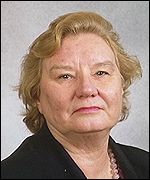
But the MPs behind it also blame the media for hampering efforts against speeding by portraying it as a nuisance, rather than a cause of unnecessary deaths. And they have called on the government to show proper leadership over the issue, and to "make it very clear that speeding is unacceptable". Committee chairman Gwyneth Dunwoody told BBC Radio 4's Today programme: "We do have a very odd attitude to road deaths in this country.
"If you kill nearly 3,500 people every year in this country, either in any other form of transport or by some form of public health problem, everybody would be screaming for action. "There is a direct connection between speed and road deaths." Transport Minister John Spellar told the same programme that there had been progress on reducing road deaths but acknowledged there was more to be done. He said that was particularly the case on rural roads where the number of head-on crashes remained a concern. Teenage tragedy The transport committee describes as "unreasonable" new rules meaning speed cameras must be painted yellow and imposing limits on where they can be sited. "Crashes do not just occur at accident blackspots," says the report. "There was no scientific research to support this decision. People will die as a result." In 2000, 3,400 people were killed on the UK's roads but MPs say that number could be reduced to less than 1,000 with the right measures.
The number of serious injuries is falling, says the report, but deaths have been at the same high level for several years. The report was welcomed by Paul Kerr, who lost his teenage son to a speeding driver. He told BBC News: "It's in my face every day and people have to realise it could happen to them." Among the report's other conclusions are:
RAC Foundation executive director Edmund King said the committee seemed to want more speed cameras hidden away and more restrictions on motorists. But a Department for Transport spokesman said painting cameras yellow would encourage drivers to slow down and assure them they were not a revenue-raising mechanism. The department also said moves had been made towards the target of cutting the number of people killed or seriously injured by 40% by 2010. | |
See also:  03 Dec 01 | UK 13 Aug 01 | UK 26 May 02 | UK Politics 30 Jan 02 | UK Politics 01 Oct 01 | Wales Internet links: The BBC is not responsible for the content of external internet sites | ||||||||||||||||||||||||||||||||||||||||||||||||||||||||||||||||||||||||||||||||||||||||||||||||||||||||||||||||||||||||||||||||||||||||||||||||||||||||||||||||||||||||||||
| |
|  E-mail this story to a friend E-mail this story to a friend |
| |
|
| | | ||
 | ||||
 | | Back to top
| ||
| ---------------------------------------------------------------------------------- To BBC Sport>> | To BBC Weather>> | To BBC World Service>> ---------------------------------------------------------------------------------- © MMIII | News Sources | Privacy  |









 FORUM
FORUM Speed cameras