|
 |
 | | | | | | |||||||||||||||||||||||||||||||||||||||||||||||||||||||||||||||||||||||||||||||||||||||||||||||||||||||||
| | | You are in: UK: N Ireland | |||||||||||||||||||||||||||||||||||||||||||||||||||||||||||||||||||||||||||||||||||||||||||||||||||||||||||
|
| | Monday, 23 December, 2002, 10:35 GMT Shedding some light on Claudy's mysteries  Nine people were killed including a young girl
Hard now to remember that 470 people died in that year, and of those almost 100 were killed in the month of July. Even in those days of slaughter when the province appeared to be sliding into the chaos of civil war, the bombing of the sleepy village of Claudy with its mixed population of Catholics and Protestants stood out.
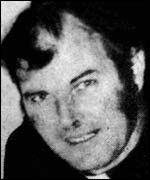
Claudy was torn apart by three car bombs, and nine people died including eight-year-old Kathryn Eakin who had been cleaning the windows of her parents shop in the main street. For years there have been rumours that a local parish priest, James Chesney, was a member of the IRA unit responsible. He died in 1980, but the police review of the evidence which began just after the 30th anniversary, has now confirmed that a priest was a member of the IRA and was involved. Government embarrassment Detectives have avoided confirming that Fr Chesney was the priest in question, but there seems no doubt he was the man. He may have seen himself as a secret soldier for Ireland, but many people on both sides of the religious divide will see him as a terrorist murderer with the blood of a child on his hands. So for the families there is an agonising mixture of relief at hearing some of the truth emerge, and anguish at this public re-visiting of a private tragedy which has for them never gone away.
Well, first there is a degree of embarrassment in all this for the British Government. The police have uncovered documents that show Willie Whitelaw, the secretary of state at the time, knew enough about Fr Chesney to permit him to express disgust at the priest's activities to William Conway, who was then the head of the Catholic church in Ireland. It may be that there was enough evidence to allow Mr Whitelaw to express his feelings, but not enough to put Fr Chesney in the dock, but the reaction of the Catholic church at the time is more embarrassing still. Grieving families It seems Cardinal Conway simply moved Fr Chesney from his parish near Claudy to another area on the other side of the Irish border, a gesture which has unfortunate echoes of the way in which the Church handled allegations of paedophilia against priests in more recent times. Expect further disclosures about who knew what and when, and expect further embarrassment as detectives press for access to a wider range of official documents from 1972.
They've been quick to see the issue as a stick with which to beat republicans. Nationalists campaigned for years for an inquiry into the Bloody Sunday shootings in 1972, they argue, and were rewarded with the lengthy and costly Saville tribunal. Why should there not now be a similar public review of all the evidence over Claudy? There will be more such political point scoring as evidence continues to emerge in the months to come. In the midst of it all though, we must remember the families of the victims. They have no political axe to grind and they know that while uncovering the truth may help them to deal with the pain, it will never make good their loss. | |
Internet links:  The BBC is not responsible for the content of external internet sites Top N Ireland stories now: Links to more N Ireland stories are at the foot of the page. | |||||||||||||||||||||||||||||||||||||||||||||||||||||||||||||||||||||||||||||||||||||||||||||||||||||||||
 | |
|  E-mail this story to a friend E-mail this story to a friend |
| |
| Links to more N Ireland stories |
| | | ||
 | ||||
 | | Back to top
| ||
| ---------------------------------------------------------------------------------- To BBC Sport>> | To BBC Weather>> | To BBC World Service>> ---------------------------------------------------------------------------------- © MMIII | News Sources | Privacy |






 Detectives have avoided confirming that Fr Chesney was the priest in question, but there is no doubt he is the man in question