
|
 |
 | | | | | | ||||||||||||||||||||||||||||||||||||||||||||||||||||||||||||||||||||||||||||||||||||||||||||||||||||||||||
| | | You are in: UK: N Ireland | ||||||||||||||||||||||||||||||||||||||||||||||||||||||||||||||||||||||||||||||||||||||||||||||||||||||||||||
|
| | Monday, 2 September, 2002, 00:07 GMT 01:07 UK Tough challenge for new chief constable 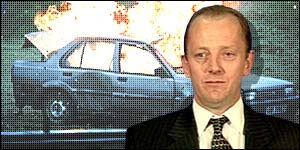
Hugh Orde steps onto Northern Ireland's policing stage on Monday and takes his place as chief constable at another of those critical moments in the peace process. It is a stage surrounded by political banana skins and, as Orde steps forward, Colin Cramphorn moves back into the office of deputy chief constable. He has been holding the policing reins for the past five months or so and, recently, painted a pretty gloomy picture of a police service over-stretched and close to breaking point. Orde likes a challenge. That is why he runs the marathon distance and, in Northern Ireland, he will have a policing mountain to climb.
Cramphorn's recent assessment put the terrorist threat at its highest point since the ceasefires and, within the past fortnight, the police believe they prevented a planned republican dissident bomb attack. Police resources are being drained not just in the area of counter-terrorism, but because of the constant presence now required on the sectarian interfaces in north and east Belfast, and because of the demands of a number of major investigations. 'Breaking point' According to Cramphorn, all of this has left the cupboard bare - there is little or nothing left for the business of ordinary day-to-day policing. That may well be the reality, but the public wants and demands much more and they will now look to Orde to deliver. Realising the dream of the new beginning envisaged in the Patten Report will take time, but Orde's immediate task will be to ensure that dream does not become a nightmare - that the service of which he is now in charge is not pushed beyond breaking point.
On any given day now, about 1,000 police officers are off sick - about a ninth of the entire police service. Many experienced detectives took the attractive severance packages on offer after Patten, and in areas of policing there is now a shortage of experience and skills. The question of resources, how officers are used, is probably the biggest issue currently under discussion between the Policing Board and the PSNI. These things are specific policing matters, but Orde arrives here in the jaws of another move to bring about a meeting of the Ulster Unionist Council to discuss the party's relationship with Sinn Fein in government. 'Difficult period' The IRA ceasefire is under a political spotlight because of the Special Branch robbery at Castlereagh, suggestions of weapons development in Colombia and claims that the organisation has orchestrated recent street violence. On this, one of Orde's most senior colleagues, Assistant Chief Constable Alan McQuillan, has already publicly blamed the IRA.
It was a policing assessment with political implications, because it put the government on the spot - the Northern Ireland Office rules on ceasefires - but also because it gave ammunition to David Trimble's anti-Agreement unionist critics. So, in this difficult period, Orde will know that every word he speaks will be listened to and used. He has a busy first day in the job. He will be out on the ground with his officers in Belfast and elsewhere, then to the Policing Board for a meeting with its chairman, Desmond Rea. Then there is a security policy meeting at Stormont, where Secretary of State John Reid will be present. Squeezed into the busy schedule will be a number of media interviews, as Orde acquaints himself with his new Northern Ireland audience. He knows the place well. He has spent many months in Belfast as part of the Stevens Investigation into the murder of solicitor Pat Finucane and he knows the policing problems that are waiting for him. Orde has more than 20 years of experience and he will need it all as he takes on one of the toughest jobs in world policing. | |
See also:  02 Sep 02 | N Ireland 31 May 02 | N Ireland 30 May 02 | N Ireland Internet links: The BBC is not responsible for the content of external internet sites Top N Ireland stories now: Links to more N Ireland stories are at the foot of the page. | ||||||||||||||||||||||||||||||||||||||||||||||||||||||||||||||||||||||||||||||||||||||||||||||||||||||||||
| |
|  E-mail this story to a friend E-mail this story to a friend |
| |
| Links to more N Ireland stories |
| | | ||
 | ||||
 | | Back to top
| ||
| ---------------------------------------------------------------------------------- To BBC Sport>> | To BBC Weather>> | To BBC World Service>> ---------------------------------------------------------------------------------- © MMIII | News Sources | Privacy |






