|
 |
 | | | | | | ||||||||||||||||||||||||||||||||||||||||||||||||||||||||||||||||||||||||||||||||||||||||||||||||||||||||||||||||||||||||
| | | You are in: UK: N Ireland | ||||||||||||||||||||||||||||||||||||||||||||||||||||||||||||||||||||||||||||||||||||||||||||||||||||||||||||||||||||||||||
|
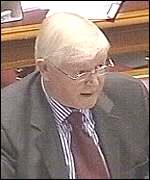
| | Tuesday, 25 June, 2002, 08:15 GMT 09:15 UK A third of NI water 'wasted' Consumer waste and leakage has been criticised More than a third of all water pumped through Northern Ireland's water supply network is lost because of leaky pipes, a report has revealed. A total of 250 million litres of water a day, 37% of all treated water was lost according to the report from the assembly's Public Accounts Committee. Speaking at the launch of the PAC report on Tuesday, committee chairman Billy Bell said he was gravely concerned by the findings. "This is an appalling state of affairs," he said.
"Even though the Water Service has spent �22m on leakage reduction over the past four years, leakage has continued to increase. "Given the poor performance to date, and the fact that a further �25m is to be spent over the next four years on water leakage, the Water Service needs to assure itself that its processes for addressing leakage are working effectively." Last month, the assembly watchdog challenged the Water Service to explain why it had the worst record in the UK for wasting water. Cheaper means The service put the blame on an elderly, crumbling system and insufficient resources to deal with the problem, the office reported. On Tuesday, Mr Bell said the committee did not believe extra spending on a new source near Lough Neagh was justified given the high wastage levels. "We do not believe that it makes economic sense to spend taxpayer's money to increase the supply of water into a system which is going to allow 37% of that water to leak away.
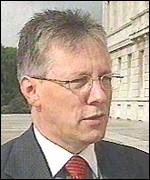
"It is essential that the Water Service can demonstrate that the new source will provide a cheaper means of meeting future demand than reducing leakage by an equivalent margin." The Water Service is run as a government agency and the Northern Ireland Assembly has already said it has no plans to privatise it, unlike water services in England and Wales. The service, which used to be funded by the rate payer, is now funded centrally from taxes. In 1998, the Water Service set a target to reduce leaks by 3%, but the amount of leakage rose that year by 9%. The service had planned to tap into Lough Neagh, the biggest fresh water lake in the UK, to help replenish the lost water. However, it has decided not to go ahead with this scheme. The blame for the lack of action is put down to a severe shortage of funding. Parts of the system are more than 100 years old and only total replacement would stop some of the leaks. Water treatment Regional Development Minister Peter Robinson said he accepted the current level of leakage was too high and must be reduced. However, he said the Water Service had no option but to focus on public health issues given the resources available.
He said there was a statutory obligation to comply with standards for drinking water quality and waste water treatment. A review of water supply and demand needs over the next 30 years is expected to be published for consultation next month. Mr Robinson said the strategy was a "twin track" approach of active leakage reduction and demand management. This would be coupled with forward planning for "new and enhanced sources of supply" to meet the increased demand for water in the future. | |
See also:  05 Apr 01 | N Ireland 01 Jan 01 | N Ireland 18 Sep 00 | N Ireland 07 Sep 99 | N Ireland Internet links: The BBC is not responsible for the content of external internet sites Top N Ireland stories now: Links to more N Ireland stories are at the foot of the page. | ||||||||||||||||||||||||||||||||||||||||||||||||||||||||||||||||||||||||||||||||||||||||||||||||||||||||||||||||||||||||
| |
|  E-mail this story to a friend E-mail this story to a friend |
| |
| Links to more N Ireland stories |
| | | ||
 | ||||
 | | Back to top
| ||
| ---------------------------------------------------------------------------------- To BBC Sport>> | To BBC Weather>> | To BBC World Service>> ---------------------------------------------------------------------------------- © MMIII | News Sources | Privacy |