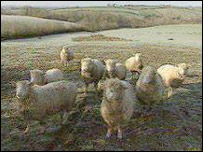
 Millions of animals were culled during the epidemic |
Foot-and-mouth disease is still bringing misery to thousands of people living in north-east England and Cumbria, two years after the first case was discovered, a countryside agency has warned.
An infected pig was found at an abattoir in Little Warley, Essex on 20 February 2001, which was later traced back to a farm at Heddon-on-the-Wall in Northumberland.
In the months that followed, more than six million animals were slaughtered and it is estimated the epidemic cost the UK as much as �4bn.
Cumbria was one of the worst-hit areas. Thousands of pigs, cattle and sheep were slaughtered, affecting agriculture and tourism alike.
 Agricultural Colleges report that they are struggling to find students willing to take on farming as a career Agricultural Colleges report that they are struggling to find students willing to take on farming as a career  |
Douglas Chalmers, the regional director of the Country Landowners Association (CLA) said he was concerned the country was not fully prepared to handle another outbreak.
He said: "The scars from that outbreak remain today - visible across some still-understocked landscapes; visible in the effects on many businesses; or hidden as individuals, families and communities are still coming to terms with the effects of those terrible times.
"We can only hope that lessons have been learned from the much-vaunted, but non-public inquiries.
"Should the worst happen and we have to go through it again, I believe that we are not much better prepared than we were two years ago."
'Early warning'
Mr Chalmers added that he was concerned that the epidemic would have long lasting effects on farming and could ultimately lead to its demise.
He said: "Agricultural Colleges report that they are struggling to find students willing to take on farming as a career.
"Meanwhile, the average age of our existing farmers continues to increase. Let this be an early warning that unless we are prepared to recognise the importance of our food industry and its many spin-off benefits, it will cease to exist.
"That is a situation that must not be allowed to happen."


 One-Minute World News
  News services
 Email this to a friend
  Printable version
