|
 |
 | | | | | | |||||||||||||||||||||||||||||||||||||||||||||||||||||||||||||||||||||||||||||||||||||||||||||||||||||||
| | | You are in: UK: England | |||||||||||||||||||||||||||||||||||||||||||||||||||||||||||||||||||||||||||||||||||||||||||||||||||||||||
|
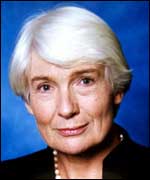
| | Monday, 13 January, 2003, 14:47 GMT Shipman murders prompt call for change  Shipman murdered at least 215 of his patients The woman heading the inquiry into Harold Shipman's murders has called for changes in the way deaths are scrutinised. Dame Janet Smith said the system which is in place after death has been there for at least 100 years. Speaking as the inquiry in Manchester re-opened after a Christmas break, she called on experts to help review procedures. She said: "They are inadequate and must be changed to meet the needs of society in the 21st Century."
Medical experts from around the world have joined the inquiry to examine ways of preventing something murders similar those carried out by Shipman. The experts will meet in seminars over the next fortnight as part of the public inquiry into Shipman's murders. Delegates from the USA and Finland will join UK colleagues to look at a range of issues centred on patient deaths. Death certification The Hyde GP was jailed for killing 15 of his patients, but Dame Janet has already concluded that he killed at least 200 more - making him the UK's biggest serial killer. In most of the cases, he covered his tracks by signing their death certificates and avoiding the involvement of a coroner. A coroner does not need to be involved if the person who died had recently seen a doctor or had been in hospital recently. When the body is then cremated - as many of Shipman's victims were, taking away any chance of proving in court he killed them - a second doctor must sign a form. 'Blind trust' But a retired GP who worked with killer Harold Shipman told the inquiry in October last year that flaws in the death certification process allowed the murderer to "cover his tracks". Dr Norman Beenstock also worked as a GP in Hyde and countersigned 18 cremation certificates between 1980 and 1993. The GP, who retired in 1993, said questions are hard to answer during the process and one doctor must rely blindly on what another doctor tells him. He added: "I was reliant on what Dr Shipman told me and I would have trusted a fellow GP to have been honest and open with me." Over the next fortnight, the experts will look at the way the coroner's system, death certificates and the role of post-mortem examinations could be changed. Their findings may be used by Dame Janet when she presents her recommendations to the government at the close of the inquiry. The public inquiry, set up after pressure from the families of his victims, continues. | |  
See also: 22 Nov 02 | England 11 Nov 02 | England Internet links: The BBC is not responsible for the content of external internet sites Top England stories now: Links to more England stories are at the foot of the page. | |||||||||||||||||||||||||||||||||||||||||||||||||||||||||||||||||||||||||||||||||||||||||||||||||||||||
 | |
|  E-mail this story to a friend E-mail this story to a friend |
| |
| Links to more England stories |
| | | ||
 | ||||
 | | Back to top
| ||
| ---------------------------------------------------------------------------------- To BBC Sport>> | To BBC Weather>> | To BBC World Service>> ---------------------------------------------------------------------------------- © MMIII | News Sources | Privacy |