|
 |
 | | | | | | |||||||||||||||||||||||||||||||||||||||||||||||||||||||||||||||||||||||||||||||||||||||||||||||||||
| | | You are in: UK: England | |||||||||||||||||||||||||||||||||||||||||||||||||||||||||||||||||||||||||||||||||||||||||||||||||||||
|
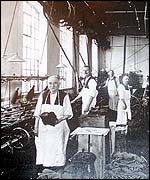
| | Wednesday, 4 December, 2002, 13:20 GMT Clothing firms looking threadbare 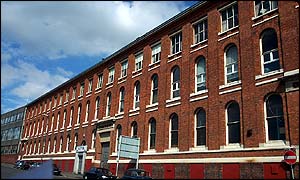 Aspira was the world's oldest stocking factory
Another death knell has sounded for the worn out industry which once clothed the nation. Leicester's largest clothing factory, Richard Roberts Knitwear, is closing with the loss of 300 jobs. It is the latest blow to the industry which helped shape the East Midlands and at its height employed 137,000 workers in the 1970s. Now empty factory windows stare out of the towns and cities of the region and an entire workforce will soon be a piece of history.
Peter Crowe, union official for KFAT, the Knitwear, Footwear and Textile Union, said: "It is pretty grim to be honest. "The union itself has lost 2,500 members in the last month - that is how bad it is." Cheap labour He said workers being made redundant have little prospect of finding jobs elsewhere in the industry. "A lot of people don't want to because there is no confidence."
It is a view echoed by Stanley Chapman, an expert on the industry and editor of the journal Textile History. He said: "The cost of Labour in the Third World countries, from which we are importing, is very much lower than it is here. "It is an industry with a history of very low pay." Buying British Another reason has been the Marks and Spencer factor. Many of the most efficient producers were suppliers to M&S - firms like Courtaulds in Nottingham and Charnos, said Mr Chapman. But M&S changed its buy British policy in the 1990s, which led to widespread redundancies.
Paul Smith, the Nottingham-based designer, is an example of how one firm has thrived, he said. "He is a celebrated name in the industry but we don't find many other people with his recognition." Tight times This is a lesson which has not been learned in the industry. "The prospect cannot be good for the industry unless it abandons the culture of low-cost mass production," said Mr Chapman. It is too late at Aspira, formerly known as Atkin's, which was the world's oldest stocking factory.
There is talk that the factory may be turned into luxury apartments. Across the road is a small wood-beamed cottage - once a home to knitters who worked at the factory, and now a museum. Piece of history It is one of many museums about the industry now dotted round the region. It contains the world's oldest knitting machine and some documents saved from the Hinckley firm. "It is not going to cost anyone anything to preserve these things in this museum," said Bill Partridge, who worked for Atkins for 49 years and campaigned to save the items. "Researchers, children, and the general public will be able to come to find out about the history." | |    See also: 03 Dec 02 | England 06 Nov 02 | England 12 Sep 02 | England 06 Sep 00 | Business 06 Dec 99 | Business 08 Nov 99 | Business Internet links: The BBC is not responsible for the content of external internet sites Top England stories now: Links to more England stories are at the foot of the page. | |||||||||||||||||||||||||||||||||||||||||||||||||||||||||||||||||||||||||||||||||||||||||||||||||||
| |
|  E-mail this story to a friend E-mail this story to a friend |
| |
| Links to more England stories |
| | | ||
 | ||||
 | | Back to top
| ||
| ---------------------------------------------------------------------------------- To BBC Sport>> | To BBC Weather>> | To BBC World Service>> ---------------------------------------------------------------------------------- © MMIII | News Sources | Privacy |