|
 |
 | | | | | | |||||||||||||||||||||||||||||||||||||||||||||||||||||||||||||||||||||||||||||||||||||||
| | | You are in: UK: England | |||||||||||||||||||||||||||||||||||||||||||||||||||||||||||||||||||||||||||||||||||||||||
|
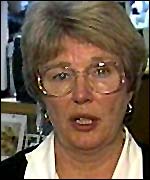
| | Thursday, 31 October, 2002, 12:45 GMT CJD campaigner welcomes inquiry 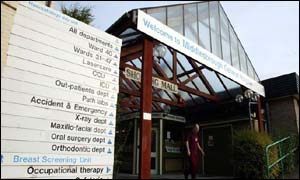 The scare was at Middlesbrough General Hospital A CJD campaigner whose son died from the brain disease has welcomed an inquiry into what went wrong at a Teesside hospital. The Chief Medical Officer, Professor Sir Liam Donaldson, ordered an inquiry after 24 people were treated with the same surgical instruments as a woman suffering from the incurable brain disease. Almost all of the patients, who were treated at Middlesbrough General Hospital, have now come forward. But Francis Hall, from Chester-le-Street, County Durham, says rules governing similar procedures must change. Mrs Hall formed a campaign group after her son Peter died of CJD in 1996. Legislation Mrs Hall, who runs the BSE Foundation, said: "We need legislation urgently to ensure this type of thing never happens again.
Mrs Hall's son died at the age of 20 from the human form of mad cow disease, new variant CJD (nvCJD), after eating contaminated beef burgers. She has spent the last six years trying to keep the risks of the disease in the public eye. She added: "The hospital must have had an idea that CJD could have been present and at that time instruments should have been removed from use." Biopsy A special call centre has been set up by Middlesbrough General Hospital, which has received more than 150 calls from worried patients. The Teesside patients have been told there is a "very small risk" they may have been exposed to the condition.
The equipment was not decontaminated properly after being used for a brain biopsy in July at the hospital. CJD was diagnosed two weeks later. The hospital says it followed official guidelines on when instruments should be removed from use. 'Precautionary' A spokesman for the Department of Health said: "The Middlesbrough General Hospital found itself in a very difficult situation in that there was no clinical suspicion of CJD. "Clinical suspicion of CJD is the normal trigger for quarantining instruments on a precautionary basis." The strain of the illness involved is sporadic CJD - which is not linked to eating beef from a BSE-infected cow. Sporadic CJD accounts for around 85% of all cases of the illness and can have an incubation period of up to 20 years. | |    See also: 30 Oct 02 | Health 30 Oct 02 | Health 28 Apr 00 | Health Internet links: The BBC is not responsible for the content of external internet sites Top England stories now: Links to more England stories are at the foot of the page. | |||||||||||||||||||||||||||||||||||||||||||||||||||||||||||||||||||||||||||||||||||||||
| |
|  E-mail this story to a friend E-mail this story to a friend |
| |
| Links to more England stories |
| | | ||
 | ||||
 | | Back to top
| ||
| ---------------------------------------------------------------------------------- To BBC Sport>> | To BBC Weather>> | To BBC World Service>> ---------------------------------------------------------------------------------- © MMIII | News Sources | Privacy |