|
 |
 | | | | | | |||||||||||||||||||||||||||||||||||||||||||||||||||||||||||||||||||||||||||||||||||||||||||||||||||||||||||||||||||||||||||||||||||||||||||||||||||||||||||||||||||||||||||||||||||||||||||||
| | | You are in: Health | |||||||||||||||||||||||||||||||||||||||||||||||||||||||||||||||||||||||||||||||||||||||||||||||||||||||||||||||||||||||||||||||||||||||||||||||||||||||||||||||||||||||||||||||||||||||||||||||
|
| | Wednesday, 30 October, 2002, 10:40 GMT Inquiry ordered into CJD blunder 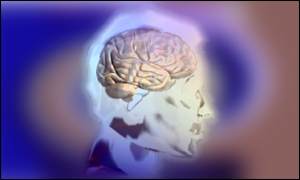 CJD progressively kills brain cells The Chief Medical Officer has ordered an inquiry into how some patients were exposed to the risk of contracting CJD from surgical instruments. Twenty-four patients at a Teesside hospital may have been infected with the fatal brain disease "sporadic" CJD. The instruments were previously used on a woman diagnosed with the fatal brain disease.
The equipment was not decontaminated properly after being used for a brain biopsy in July at Middlesbrough General Hospital. CJD was only diagnosed two weeks later. The hospital is contacting those at risk this week, and will tell them there is a very small chance of them contracting CJD. A helpline is also being set up. The hospital said it did follow official guidelines on when instruments should be removed from use. But it admitted to the BBC that it had not fully implemented rules on identifying and tracking surgical instruments issued three years ago. South Tees NHS Trust medical director Dr Paul Lawler warned: "It's possible it could happen again tomorrow, in this hospital or in any other hospital." Common procedure The Department of Health said: "The Middlesbrough General Hospital found itself in a very difficult situation in that there was no clinical suspicion of CJD. "Clinical suspicion of CJD is the normal trigger for quarantining instruments on a precautionary basis. But the trust is maintaining that CJD was not suspected when the biopsy, a common surgical procedure, was carried out.
Dr Lawler said the woman at the centre of the scare was examined by five neurologists, with no suggestion of CJD prior to the operation. He said: "The patient was not suspected of having this particular illness and, as a result, we did not quarantine the instruments straight away." He said the patient had an illness in which there was memory loss. The pattern of illness was not that of CJD.
He added that patients had been contacted as soon as it was known who was at risk. "Twenty four patients are at a very small risk of contracting CJD of the 29 who could have been." He said there had only been five cases of CJD transmission from neurosurgical operations. But he stressed the rules on the removal of surgical instruments had been adhered to: "We followed guidelines issued by the Department of Health, and in place at this hospital, to the letter." Incubation period But the Department of Health said the instruments should have been quarantined as soon as the risk of CJD was evident, and not once it had been confirmed, at which point such instruments are completely withdrawn from use.
The strain of the illness involved is sporadic CJD - which is not linked to eating beef from a BSE-infected cow. Sporadic CJD accounts for around 85% of all cases of the illness and can have an incubation period of up to 20 years. Although the Middlesbrough patients' risk of contracting the disease is said to be miniscule, there is no easy test to diagnose it and it is incurable. Gill Turner, medical co-ordinator of the CJD Support Network, told the BBC: "This incident should never have happened. "There are very clear guidelines for CJD and, by definition, because this person was having a brain biopsy, CJD must not have been ruled out." She added: "If I was one of those 24 people, what would I be able to do? "It's devastating news, and they can stress that it's only a theoretical risk, but if you've been told that you've even been put at risk, it would affect the rest of your life." What is your reaction to this latest news about CJD? We will be discussing the subject in our interactive forum for the Six O'Clock News at 1830 tonight. If you have any questions to ask our expert, use the postform below to send them. | |
  See also: 30 Oct 02 | Health 27 Sep 02 | Health 23 Oct 01 | Wales 04 Jan 01 | Scotland 04 Jan 01 | Health Internet links: The BBC is not responsible for the content of external internet sites Top Health stories now: Links to more Health stories are at the foot of the page. | |||||||||||||||||||||||||||||||||||||||||||||||||||||||||||||||||||||||||||||||||||||||||||||||||||||||||||||||||||||||||||||||||||||||||||||||||||||||||||||||||||||||||||||||||||||||||||||
| |
|  E-mail this story to a friend E-mail this story to a friend |
| |
| Links to more Health stories |
| | | ||
 | ||||
 | | Back to top
| ||
| ---------------------------------------------------------------------------------- To BBC Sport>> | To BBC Weather>> | To BBC World Service>> ---------------------------------------------------------------------------------- © MMIII | News Sources | Privacy |