|
 |
 | | | | | | |||||||||||||||||||||||||||||||||||||||||||||||||||||||||||||||||||||||||||||||||||||||||||||||
| | | You are in: UK: England | |||||||||||||||||||||||||||||||||||||||||||||||||||||||||||||||||||||||||||||||||||||||||||||||||
|
| | Saturday, 22 June, 2002, 16:25 GMT 17:25 UK Ken's ambition for London Ken Livingstone hopes Londoners will back his plans
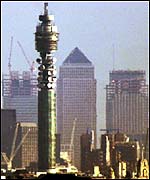
The past few days have seen London Mayor Ken Livingstone keen to attract as much as attention as possible. He found it - but for all the wrong reasons - with allegations about his involvement in a drunken brawl, a party-goer's 15ft fall and claims that he was fighting for his political life. The stories were an unwelcome distraction for Mr Livingstone, who had hoped Londoners would be more interested in his vision of the capital in 2016. In what he described as his most important policy announcement since he was elected two years ago, the mayor described a city with 700,000 more residents and regeneration costing an estimated �1bn. It would be cleaner, offer new opportunities to the poorest residents, have better transport and, he hopes, create "a compact city where all Londoners can share the opportunities". Densely-populated The plans outlined by the Greater London Authority would involve the biggest redevelopment of London since the Blitz.
Transport would be transformed, with a number of cross-London rail links, Tube extensions and three new river crossings in the east of the city. Despite the massive pressures brought by such development, building around London and in its open spaces would be banned. The mayor is determined Londoners should live in a more densely-populated city, with better use of space and attention to the work and leisure needs of its residents. 'Social exclusion' Critics may argue the mayor's plans for the physical transformation of the capital are overly-ambitious, but they do not end there.
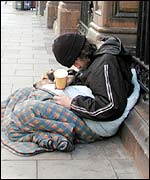
Predicting the arrival of an extra 700,000 people - equivalent to a city the size of Leeds - it suggests: "Growth on this scale poses unique opportunities and challenges. "It could add pressure to existing housing, public health, homelessness, unemployment, poverty and social exclusion problems in the capital or it could be used to benefit Londoners." Recycling More than 500,000 homes must be built over the next 15 years, the plan says, and half should be affordable to key workers and people in ordinary jobs. Many of the new residents would be young families and the construction of 130 new schools is planned. Deprivation would be targeted, with large parts of east London and smaller pockets elsewhere in the capital chosen for redevelopment. The health of the city and its residents is also discussed, with plans to cut pollution, increase recycling and clamp-down on crime. | |   See also: 20 Jun 02 | England 14 Mar 02 | UK Politics 04 Mar 02 | England 01 Oct 01 | Labour 06 Mar 01 | UK Politics 28 Apr 00 | London Mayor 06 Mar 00 | UK Politics Internet links: The BBC is not responsible for the content of external internet sites Top England stories now: Links to more England stories are at the foot of the page. | |||||||||||||||||||||||||||||||||||||||||||||||||||||||||||||||||||||||||||||||||||||||||||||||
| |
|  E-mail this story to a friend E-mail this story to a friend |
| |
| Links to more England stories |
| | | ||
 | ||||
 | | Back to top
| ||
| ---------------------------------------------------------------------------------- To BBC Sport>> | To BBC Weather>> | To BBC World Service>> ---------------------------------------------------------------------------------- © MMIII | News Sources | Privacy |