|
 |
 | | | | | | |||||||||||||||||||||||||||||||||||||||||||||||||||||||||||||||||||||||||||||||||||||
| | | You are in: UK: Education | |||||||||||||||||||||||||||||||||||||||||||||||||||||||||||||||||||||||||||||||||||||||
|
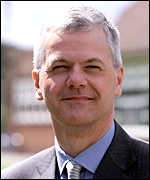
| | Friday, 31 January, 2003, 15:23 GMT Good schools to get fewer checks  Rate of inspections to vary by school Successful schools are to be inspected less often than those doing badly, in an effort to target failings more effectively. From September, the Office for Standards in Education (Ofsted) will also allow head teachers more say in its reports. Meanwhile, pupils at primary and secondary schools will be asked for their views, usually in the form of a questionnaire. The changes come after a year-long review by Ofsted of its operating methods. 'Still rigorous' Its chief inspector, David Bell, said: "The new framework for inspection will mean less inspection for more schools, but no decline in the rigour of inspection.
"Ofsted will continue to assess quality and standards within schools and colleges, while identifying the strengths and weaknesses of provision within the wider education system." Around half of schools will still be inspected every four years, with those in special measures or with serious weaknesses looked at more often. The rest will go without inspections for up to six years, depending on how well they do. "Bureaucracy cut" Ofsted is also promising to take self-assessment forms completed by head teachers into account more than at present. This, it is hoped, will allow a more realistic comparison of schools on their own terms Mr Bell said: "Ofsted's new arrangements have cut bureaucracy to the absolute minimum, both in preparation for and during the inspection process. "We are also stressing that Ofsted makes no extra demands on individual teachers." Secondaries, primaries and special schools will each get a standard inspection format. For the average primary, inspections will shorten from 24 to 14 days, for an average secondary from 49 to 44. The change comes after several head teachers complained the old "short" inspections, received by about one quarter of schools, gave too little information. Heartburn Teaching unions gave a mixed response to the changes. John Bangs, head of education at the National Union of Teachers, welcomed them, but added that pupils' views should be taken into account as part of a school's self-assessment, not separately. He said: "Teachers still have heartburn in front of school inspectors. "But there are welcome features which show that some positive evolution is taking place. "Teachers feel there is a way to go to make inspections fairer, but this is a move in the right direction." NASUWT general secretary Eamonn O'Kane said: "While many pupils might respond responsibly, the potential for disruptive elements to exploit the situation is obvious. "Such questionnaires could easily undermine the position of the teacher who is already held to account in many different ways. "School management can judge teachers' performance without exposing them to such an undermining of their authority." | | See also:  07 Jul 02 | Education 11 Nov 02 | Education 03 May 02 | Mike Baker 07 Jan 02 | Education 24 Jan 02 | Education Top Education stories now: Links to more Education stories are at the foot of the page. | |||||||||||||||||||||||||||||||||||||||||||||||||||||||||||||||||||||||||||||||||||||
 | |
|  E-mail this story to a friend E-mail this story to a friend |
| |
| Links to more Education stories |
| | | ||
 | ||||
 | | Back to top
| ||
| ---------------------------------------------------------------------------------- To BBC Sport>> | To BBC Weather>> | To BBC World Service>> ---------------------------------------------------------------------------------- © MMIII | News Sources | Privacy |