
|
 |
 | | | | | | |||||||||||||||||||||||||||||||||||||||||||||||||||||||||||||||||||||||||||||||||||||||||||||||||||||||||||||||||||||||||||||||||||||||||||||||||||||||||||
| | | You are in: UK: Education | |||||||||||||||||||||||||||||||||||||||||||||||||||||||||||||||||||||||||||||||||||||||||||||||||||||||||||||||||||||||||||||||||||||||||||||||||||||||||||||
|
| | Thursday, 12 December, 2002, 16:39 GMT Heads could fine parents of truants  Truanting children are often with their parents Head teachers could be given powers to impose fines on the parents of persistent truants.
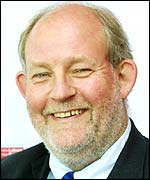
The plans were announced by the Education Secretary, Charles Clarke, in a speech in which he stressed that "discipline begins at home". The controversial proposals follow disappointing truancy figures which showed no improvement in the past year. But the National Union of Teachers (NUT) opposes the plans, saying they would cause a "real problem" for heads. And the Conservatives suspect another government "gimmick" - as there is no planned legislation to introduce the fines.
Mr Clarke also said parents of children who play truant or misbehave badly could be required to attend classes to improve their parenting skills. About 50,000 children are thought to miss school every day without permission. Mr Clarke is proposing that parents of persistent truants could be issued with fixed penalty notices, similar to parking tickets. 'Big question mark' They would be given the option of paying the fine within a certain time or appealing against it in court.
The fixed penalty notices could be issued either by police and education welfare officers or head teachers, although Mr Clarke says education welfare officers will take the lead. The government has not yet decided how much the fines would be. Mr Clarke explained that the move was not targeted at parents who were already working with schools and education officers to tackle the problem. He announced a package of measures to ensure all secondary schools will get extra help in tackling poor behaviour and attendance. There is extra help for those in the most difficult environments, with support for about 400 secondary schools and 1,500 primary schools by 2005-06. Special teams will work with families that have serious problems. But his bottom line was that respect for authority had to improve. "Discipline and respect for authority may be unfashionable concepts. But let's not be afraid to use them," he said. "In the end what matters is the future of our children. "We owe it to them to have the chance to grow up in a society that is safe and to learn in an environment where there is respect for all. " Teachers' worries The fines were part of a package which offered support for parents, he stressed. John Bangs, head of education at the NUT, said there was a "big question mark" over the issue of head teachers issuing fines to parents. "Legal powers to fine ought to remain with the court not with head teachers," he told the BBC's Breakfast programme.
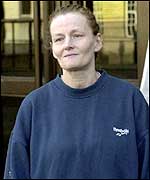
That view was echoed by David Hart, from the National Association of Head Teachers, who said teachers should not be involved if the fines went ahead. Sent to prison The government is concerned that spot checks on children not in school revealed many were absent with their parents' consent. Some were caught out shopping with their parents on days they should have been at school. Earlier this year Patricia Amos was sentenced to two months in jail because her two teenage daughters played truant from an Oxfordshire school. Her sentence was later halved by a Crown Court judge and she was released after two weeks in jail - but her imprisonment was the first time magistrates had used powers introduced in 2000. Pre-admission contracts "This looks like the latest in a long line of tough-sounding announcements from the government on the growing crisis of indiscipline and truancy," said the Conservative education spokesman, Damian Green. "We have suggested giving heads the option of enforcing contracts with parents covering all matters of conduct and discipline, to be signed before the child starts at the school. "This would bring home to parents their responsibilities, and allow schools to emphasise their own key messages on behaviour." The Liberal Democrats' spokesman Phil Willis said the most successful programmes to tackle truancy were where young people felt that they were being offered a valuable chance rather than a system designed to reinforce their failure. "Head teachers and education welfare officers are principally employed to support, encourage and motivate young people to see the value of attending school and not as an extension of this government's politburo," he said. | |
 Truancy fines Truancy finesShould head teachers be given the power? 
 See also: 12 Dec 02 | Education 12 Dec 02 | Education 28 Nov 02 | Education 15 Nov 02 | Politics 06 Nov 02 | England 09 Oct 02 | Education 09 Oct 02 | Education Internet links: The BBC is not responsible for the content of external internet sites Top Education stories now: Links to more Education stories are at the foot of the page. | |||||||||||||||||||||||||||||||||||||||||||||||||||||||||||||||||||||||||||||||||||||||||||||||||||||||||||||||||||||||||||||||||||||||||||||||||||||||||||
 | |
|  E-mail this story to a friend E-mail this story to a friend |
| |
| Links to more Education stories |
| | | ||
 | ||||
 | | Back to top
| ||
| ---------------------------------------------------------------------------------- To BBC Sport>> | To BBC Weather>> | To BBC World Service>> ---------------------------------------------------------------------------------- © MMIII | News Sources | Privacy |




 Values such as respect, courtesy and consideration are the foundations of a civilised society


 TALKING POINT
 71.51%
  28.49%