|
 |
 | | | | | | |||||||||||||||||||||||||||||||||||||||||||||||||||||||||||||||||||||||||||||||||||||||||||||||
| | | You are in: UK: Education | |||||||||||||||||||||||||||||||||||||||||||||||||||||||||||||||||||||||||||||||||||||||||||||||||
|
| | Wednesday, 11 December, 2002, 19:27 GMT University aims to start its own school 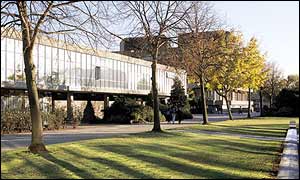 School would be on one of Brunel's four sites
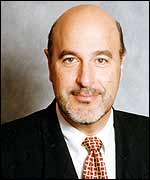
A university is considering setting up its own secondary school as a way of encouraging more disadvantaged youngsters to go into higher education. Brunel University, west of London, believes the teenagers would come to regard going on to university as a natural progression if they were already on the campus and perhaps sharing some of the university's technical or sports facilities. Brunel's vice-chancellor, Steven Schwartz, has discussed the idea with the Higher Education Minister, Margaret Hodge, who says she supports it. The government wants a wider range of youngsters to go into higher education, particularly those from so-called "non-traditional" backgrounds - with no family history of going to university. Aspirations Professor Schwartz said: "It's an aspirational issue". "What I'm talking about here would be people from deprived backgrounds. "You could introduce them to the sports facilities and maybe science laboratories, make them feel comfortable." If children had no-one in their extended family who had been to university, it could appear to be an alien environment. Being already on campus could change that. Brunel has four campuses that might be used - Uxbridge, Twickenham, Runnymede and Osterley.
The government supports the idea. Mrs Hodge said the project would encourage students from non-traditional backgrounds to think of higher education as an option for them. "I want more universities to follow suit and reach out into their communities to encourage talented students to aim higher," she said. Not only are ministers keen to widen participation in higher education, but also "diversify" secondary education and to give successful state schools greater freedom over how they operate, a government official said. Professor Schwartz's idea would be for the university to work with the school on devising a suitable curriculum, gradually exposing students to higher ideas. Many universities already have ties with schools and operate summer schools to give school students a taste of university life. Brunel's scheme would go much further, although in the past there have been schools - usually primary schools - associated with teacher training colleges. Student fees Professor Schwartz was one of 10 university vice-chancellors who recently met the prime minister to discuss the thorny issue of university funding and student fees.
He has a unique perspective on the issue. He grew up in the United States, becoming the first of his family to go into higher education, at a private university - City University in New York - thanks to the sort of scholarships which are far more common in the US than in the UK. He was previously vice-chancellor of Murdoch University in Perth, Australia - where there has already been a shake-up of university funding. He believes graduates in the UK should pay more for their university education - but not in the form of "upfront" tuition fees. "My view is that we should cap fees initially as the new system is eased in but then we should allow universities to set whatever fees they wish," he said. Deregulation He says the best form of graduate tax would be a fixed amount that did not attract interest, so as not to penalise those who took a long time to pay, perhaps through taking time out of work to raise a family. Repayment should be triggered by reaching the average non-graduate income. That way, those who did not benefit personally from having a degree would not have to pay. Governments could also control the system to waive the fees to attract people into particular professions, such as teaching. But doing nothing was not an option. With more and more universities sliding into the red financially, he asks: "What's Plan B?" At the same time, he says, there needs to be far less bureaucratic intervention in the way universities operate - especially removing the existing student quotas each is given. So more popular institutions - such as his own - could expand, and there would be a greater competition which he argues would only benefit students. | | See also:  10 Dec 02 | Education 25 Apr 02 | Education 12 Apr 02 | Education 29 Jun 01 | Mike Baker 22 Oct 01 | Education Internet links: The BBC is not responsible for the content of external internet sites Top Education stories now: Links to more Education stories are at the foot of the page. | |||||||||||||||||||||||||||||||||||||||||||||||||||||||||||||||||||||||||||||||||||||||||||||||
| |
|  E-mail this story to a friend E-mail this story to a friend |
| |
| Links to more Education stories |
| | | ||
 | ||||
 | | Back to top
| ||
| ---------------------------------------------------------------------------------- To BBC Sport>> | To BBC Weather>> | To BBC World Service>> ---------------------------------------------------------------------------------- © MMIII | News Sources | Privacy |