
|
 |
 | | | | | | |||||||||||||||||||||||||||||||||||||||||||||||||||||||||||||||||||||||||||||||||||||||||||||||||||||||||||||||||||||||||||||||||||||||||||||||||||||||||||||||
| | | You are in: UK: Education | |||||||||||||||||||||||||||||||||||||||||||||||||||||||||||||||||||||||||||||||||||||||||||||||||||||||||||||||||||||||||||||||||||||||||||||||||||||||||||||||||
|
| | Wednesday, 27 November, 2002, 16:43 GMT Britain seventh in global school table 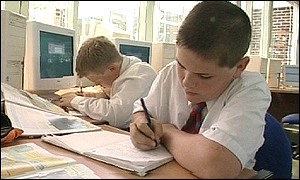 Britain was third highest in Europe An international school league table has placed South Korea and Japan as the best in the world. But Britain has achieved a respectable seventh place, above France, Germany, Italy and the United States. Finland and Austria were the highest ranking countries in Europe. The League Table of Educational Disadvantage in Rich Countries seeks to provide the first "big picture" of school performance in the industrialised world. Produced by the Unicef Innocenti Research Centre, the study combines the results of a number of international surveys. Among the report's findings are that educational success or failure is not directly linked to funding. South Korea and Greece have similar levels of funding per pupil, says the report, but very different levels of academic achievement. And the report also concludes that there is no clear link between the number of pupils per teacher and test results. Achievement gap But there was a clear link between family background and academic achievement, with the children of professional workers much more likely to continue into higher education. The study highlights differences in achievement - such as showing that while in Finland only 7% of 15 year olds are "unable to solve basic reading tasks", this figure reaches 20% in Germany. The rankings reflect how well or badly education systems have managed to raise the achievement of less able pupils. And the lower ranked countries, such as the United States and Germany, are judged to have allowed the gap to widen between low achievers and the average. Immigration Another factor identified by the survey was the differing levels of educational achievement in immigrant communities. Canada, which ranked fourth overall, was seen to have a good record of educating immigrant families. In comparison, in countries such as Germany, Denmark and Austria, immigrant children were seen to have suffered from an educational disadvantage. Unicef rankings, based on percentage of 14 and 15 year olds scoring below a minimum level in literacy, maths and science. This included results from pupils in the English, Welsh and Scottish education systems, which are included as a "British" average.
| | See also:  05 Jun 00 | Education 27 Oct 98 | Education 21 Nov 01 | Education Internet links: The BBC is not responsible for the content of external internet sites Top Education stories now: Links to more Education stories are at the foot of the page. | |||||||||||||||||||||||||||||||||||||||||||||||||||||||||||||||||||||||||||||||||||||||||||||||||||||||||||||||||||||||||||||||||||||||||||||||||||||||||||||||
| |
|  E-mail this story to a friend E-mail this story to a friend |
| |
| Links to more Education stories |
| | | ||
 | ||||
 | | Back to top
| ||
| ---------------------------------------------------------------------------------- To BBC Sport>> | To BBC Weather>> | To BBC World Service>> ---------------------------------------------------------------------------------- © MMIII | News Sources | Privacy |




