
|
 |
 | | | | | | ||||||||||||||||||||||||||||||||||||||||||||||||||||||||||||||||||||||||||||||||||||||||||||||||
| | | You are in: UK: Education | ||||||||||||||||||||||||||||||||||||||||||||||||||||||||||||||||||||||||||||||||||||||||||||||||||
|
| | Wednesday, 20 November, 2002, 18:51 GMT Inquiry into cost of exams 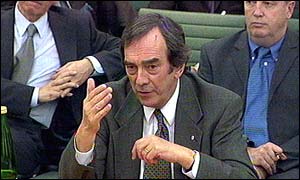 Ken Boston: Taking up schools' complaints The exams watchdog is to investigate the level of fees exam boards charge schools and colleges. With the huge explosion in the number of public exams students take, a large institution might spend hundreds of thousands of pounds on exam fees. Now the head of the Qualifications and Curriculum Authority (QCA), Ken Boston, has said he is taking up the issue. The QCA has also come up with a revised code of practice intended to prevent a repeat of this summer's fiasco over A-level grades. And it has issued drafts of new statements about the standards required of A-level and AS-level candidates. Soaring cost of exams Ken Boston said discussions with heads and principals around the country had indicated "real concerns" about the high level of exam fees. Some schools have said they spend more on exams than on books. "We need to get the right balance between the resources going into teaching the curriculum and how much is being spent on testing and examining students. "As the regulator I will be discussing the current scale of exam fees being paid by schools and colleges with the awarding bodies." Charges Edexcel, for example, charges �10 for most units but more for some - such as �30 for Arabic or modern Greek, and �45 for music technology. OCR charges �9.40 or �12.20 for most units, �18.80 for modern foreign languages and as much as �28.20 for the less popular languages. A spokesperson said Dr Boston wanted to establish whether the fees for individual exams were too high, or whether the volume of exams being taken meant the final bill was too high. Edexcel rejected any suggestion it was overcharging and said it would welcome a financial audit. Ongoing costs It said in a statement that it had invested heavily in administering the Curriculum 2000 changes and in effect made a loss on each entry received at A-level and GCSE. "Any audit will clearly show this. Without some surplus through other qualifications we would not have had resources to develop Curriculum 2000: boards funded its development, not the government." The cost of each exam covered development of a new specification, ongoing design changes, preparation of exemplar materials for teachers, printing the specification, training teachers - more than 40,000 last year - recruiting and training 16,000 examiners, processing, verification of coursework and delivering results. "We do not make a profit on GCSEs and A-levels. We are a not-for-profit charity and the money we do make on examinations goes back into developing new qualifications." | |
See also:  15 Oct 02 | Education 06 Jun 02 | Education Internet links: The BBC is not responsible for the content of external internet sites Top Education stories now: Links to more Education stories are at the foot of the page. | ||||||||||||||||||||||||||||||||||||||||||||||||||||||||||||||||||||||||||||||||||||||||||||||||
| |
|  E-mail this story to a friend E-mail this story to a friend |
| |
| Links to more Education stories |
| | | ||
 | ||||
 | | Back to top
| ||
| ---------------------------------------------------------------------------------- To BBC Sport>> | To BBC Weather>> | To BBC World Service>> ---------------------------------------------------------------------------------- © MMIII | News Sources | Privacy |






