
|
 |
 | | | | | | ||||||||||||||||||||||||||||||||||||||||||||||||||||||||||||||||||||||||||||||||||||||||||||||||||
| | | You are in: UK: Education | ||||||||||||||||||||||||||||||||||||||||||||||||||||||||||||||||||||||||||||||||||||||||||||||||||||
|
| | Wednesday, 20 November, 2002, 16:08 GMT Imperial's 'reassurance' over higher fees 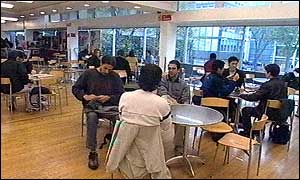 Students' parents have been alarmed Imperial College in London has said it has no intention of charging higher tuition fees for students starting courses in 2003 or 2004. Its statement has been prompted by letters and phone calls from students' parents, alarmed by reports that it was contemplating fees of �10,500 a year or more. Imperial's intention to charge "top-up" fees was revealed by BBC News Online on 17 October. The plan - in a briefing document by the college's rector, Sir Richard Sykes - was adopted by Imperial's ruling council the next day. Not alone His premise was that the government would remove the �1,100 legal cap on fees when it published its strategy document for higher education - subsequently postponed to January. There were other caveats, one being that it would not wish to act alone but believed other universities were making similar plans. And it presumed the existing government funding would continue so that it could provide bursaries for poorer students. In discussing a range of options, Sir Richard used a fee of �10,500 - the cost of teaching a student in a laboratory-based subject - as a specific example. Cannot happen yet In the welter of media coverage of the whole issue since, it has been routinely reported that Imperial was planning �10,500 fees. On Wednesday - a month after the first report - the college published a statement on its website saying: "It has been widely, and often inaccurately, reported that Imperial College is planning to impose 'top-up' fees should the government remove the cap on charges levied by higher education institutions." It explains: "Imperial College has no intention of charging "top-up" fees for UK and EU students entering in October 2003 or October 2004 either on admission or at anytime during their course." A spokesperson said that in fact higher fees could not be introduced before 2006, the date of the next election - given the government's manifesto pledge not to introduce top-up fees. 'Reassurance' She confirmed that the college council had voted in favour of higher fees in principle. She said its plans had prompted a number of inquiries, mostly from parents. She said the new statement was "just to reassure people that it would not apply to them". In Sir Richard's discussion paper, a factor in his thinking was that 40% of the college's students were from independent schools. Their parents were "used to paying fees to educate their children" - but would need time to increase trust funds to pay for higher university fees. | |
Top Education stories now:  Links to more Education stories are at the foot of the page. | ||||||||||||||||||||||||||||||||||||||||||||||||||||||||||||||||||||||||||||||||||||||||||||||||||
| |
|  E-mail this story to a friend E-mail this story to a friend |
| |
| Links to more Education stories |
| | | ||
 | ||||
 | | Back to top
| ||
| ---------------------------------------------------------------------------------- To BBC Sport>> | To BBC Weather>> | To BBC World Service>> ---------------------------------------------------------------------------------- © MMIII | News Sources | Privacy |






