
|
 |
 | | | | | | ||||||||||||||||||||||||||||||||||||||||||||||||||||||||||||||||||||||||||||||||||||||
| | | You are in: UK: Education | ||||||||||||||||||||||||||||||||||||||||||||||||||||||||||||||||||||||||||||||||||||||||
|
| | Monday, 30 September, 2002, 16:01 GMT 17:01 UK Private schools claim university bias  The HMC is concerned about positive discrimination Independent schools have accused some of the United Kingdom's top universities of discriminating against their pupils when awarding places. Admissions procedures at Bristol University, Edinburgh University, Durham University and the London School of Economics were in need of "further scrutiny", according to the Headmasters' and Headmistresses' Conference (HMC).
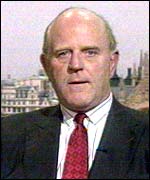
Edward Gould, chairman of HMC and master of Marlborough College, said recent anecdotal evidence pointed towards a lack of objectivity in the way these universities made offers. In his address to delegates at the HMC annual conference in Newport, Mr Gould said recent moves to attract students from backgrounds where there is no history of going to university meant pupils from independent schools were being sidelined. 'Discriminatory' "In promoting this policy of social inclusion, universities are being encouraged to identify talented students from non-traditional and low income backgrounds: in itself this is admirable," Mr Gould said. "But if fund-starved universities are to be offered increased funding under whatever guise to meet certain benchmarks of student by provenance of secondary schooling, a benchmark quickly becomes a quota and potentially discriminatory. "Rather than crudely tamper with university admissions' procedures to promote inclusion by the backdoor, the question that needs addressing is why the secondary education system does not generate more students with talent from disadvantaged backgrounds with the aspirations and necessary qualifications to attend selecting universities." Identifying potential In April, the minister for higher education, Margaret Hodge, singled out the history department at Bristol for the way it effectively positively discriminates in favour of state school pupils. The department takes state school pupils who have done better than any past candidate from their school, even at the expense of those who had higher A-level grades.
"There's no question of our discriminating against pupils from independent schools. We are simply looking beyond traditional admissions criteria and adopting a more sophisticated approach to identifying academic potential," said a spokesman for Bristol University. "Excellence can be found in schools of both kinds and we have a duty to strive to find it," he said. A spokesperson for the LSE said: "We received 9,400 applications for 1,150 home undergraduate places this year. This means competition for places is intense. "The standard offer made was ABB or higher. The policy is to examine every application on its merit." A spokeswoman for Edinburgh University said: "We are confident our systems are fair to all applicants and we do our best to be accessible to able students from all backgrounds." | | See also:  12 Apr 02 | Education 24 Jul 00 | Education 19 Jun 00 | Education 15 May 00 | Education 05 Oct 00 | Education Internet links: The BBC is not responsible for the content of external internet sites Top Education stories now: Links to more Education stories are at the foot of the page. | ||||||||||||||||||||||||||||||||||||||||||||||||||||||||||||||||||||||||||||||||||||||
|  |
|  E-mail this story to a friend E-mail this story to a friend |
 | |
| Links to more Education stories |
| | | ||
 | ||||
 | | Back to top
| ||
| ---------------------------------------------------------------------------------- To BBC Sport>> | To BBC Weather>> | To BBC World Service>> ---------------------------------------------------------------------------------- © MMIII | News Sources | Privacy |




 We do our best to be accessible to able students from all backgrounds