|
 |
 | | | | | | |||||||||||||||||||||||||||||||||||||||||||||||||||||||||||||||||||||||||||||||||||||||||||||||||||||||||||||||||||||||||||||||||||||||||||||||||||||||||||||
| | | You are in: UK: Education | |||||||||||||||||||||||||||||||||||||||||||||||||||||||||||||||||||||||||||||||||||||||||||||||||||||||||||||||||||||||||||||||||||||||||||||||||||||||||||||||
|
| | Friday, 27 September, 2002, 15:38 GMT 16:38 UK Exams chief sacked in A-level re-grading 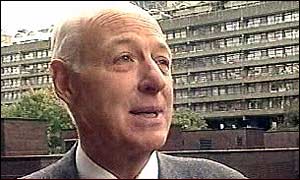 Sir William: More time with his family The head of England's exams watchdog has been sacked, even though the Tomlinson inquiry into this summer's A-level grades concluded he had done nothing wrong.
The Education Secretary, Estelle Morris, said she had removed Sir William Stubbs as chairman of the QCA "to restore public confidence" in the organisation. She said the report showed that the big three English exam boards had been given the perception that what they should take into account when setting exam grades was more the comparison with last year's results than the students' work. Mike Tomlinson has recommended that some exam papers in about 12 A-level subjects need to be re-graded, which will be done next week. He said at a news conference to reveal his findings that the sheer complexity of the new, two-stage A-level system, meant that there had been "an accident waiting to happen".
Having interviewed all the key players and looked at documentary evidence - he said this complexity had resulted in disagreement and misunderstanding. The chief executives of the exam boards Oxford, Cambridge and RSA Examinations (OCR), the Assessment and Qualifications Alliance (AQA) and Edexcel, acted within their powers under the code of practice governing the way they run the exams. Boards affected But the code did not have sufficient detail when it came to the setting of grade boundaries. Mr Tomlinson said he needed more information to decide which units of which exam subjects would need re-grading. He thought that about 12 subjects were affected from two exam boards - most of them involving the OCR board. He had asked the exam boards to supply him with more information with a view to making a decision by the end of next Tuesday. The re-grading could then be done by the end of next week. He stressed that no-one's grades would go down. 'Pressure' Mr Tomlinson said there was no doubt in his mind that, to varying extents, the chief executives of the exam boards felt they were "under pressure" to produce A-level results this year which were in line with the 2001 results - the last of the old A-levels.
The Qualifications and Curriculum Authority (QCA), and particularly its chairman, Sir William Stubbs, had wanted to prevent "grade drift" - an unintended increase in the pass rate. It came down to perceptions - and the chief executives had clearly passed on their perceptions to their staff and to examiners. But all this had been done properly and in line with their regulatory responsibilities, he said. Mike Tomlinson reacted angrily to suggestions from journalists that his report was "a whitewash". He had acted - as he had staked his reputation on doing when he was a schools inspector - purely on the evidence before him. He had not found that there had been any pressure or guidance on the expected outcomes of the A-level exams from ministers to the QCA. "I conclude therefore that there was no such pressure," he said. He added: "I have no evidence that anyone acted improperly." Long-running saga Interviewed afterwards, Estelle Morris said her judgement nonetheless was that Sir William had to go to restore confidence in the QCA. She had every faith in its new chief executive, Ken Boston, who began work only two weeks ago. She accepted that Mr Tomlinson had said the new A and AS-levels had been introduced too quickly, and would learn the lessons from the report. But many of the problems - to do with grade boundaries, ineffective communication and statistical methods - were not ministers' responsibilities. Doomed The position of Sir William Stubbs had been widely felt to have become untenable after he launched an astonishing attack on the education secretary on Wednesday night. He accused Estelle Morris of having pre-judged the outcome of the Tomlinson inquiry by asking her officials to liaise with the exam boards about possible re-grading of students' papers. She denied this, saying she had merely been making contingency plans. Nevertheless his removal came swiftly. Stubbs statement In a statement, he said: "I was pleased that the inquiry exonerated me and found that I have operated properly and within my powers." He had sought to protect the standards of all examinations, particularly A-levels, as he had made clear to all heads of exams boards. "I regret that the secretary of state considers that there has been a breakdown of confidence between QCA and the examining bodies," he went on. "There is no evidence of this and I do not share her view. "However, in the circumstances to avoid any risk to the reputation of the QCA and its staff I have offered my resignation as chairman." Mr Tomlinson was asked by the Education Secretary, Estelle Morris, to launch his investigation after schools claimed coursework, which counted towards students' final marks, was marked down. Head teachers - most notably of independent schools - said they had no confidence in a preliminary investigation by the QCA, which found no irregularities in the marking system at the OCR exam board - the main focus of complaints. Indeed, the heads blamed the QCA for the fiasco, saying the watchdog itself had put pressure on the three exam boards in England - OCR, AQA and Edexcel - to make "statistical adjustments downwards". | |
Internet links:  The BBC is not responsible for the content of external internet sites Top Education stories now: Links to more Education stories are at the foot of the page. | |||||||||||||||||||||||||||||||||||||||||||||||||||||||||||||||||||||||||||||||||||||||||||||||||||||||||||||||||||||||||||||||||||||||||||||||||||||||||||||
| |
|  E-mail this story to a friend E-mail this story to a friend |
| |
| Links to more Education stories |
| | | ||
 | ||||
 | | Back to top
| ||
| ---------------------------------------------------------------------------------- To BBC Sport>> | To BBC Weather>> | To BBC World Service>> ---------------------------------------------------------------------------------- © MMIII | News Sources | Privacy |