
|
 |
 | | | | | | ||||||||||||||||||||||||||||||||||||||||||||||||||||||||||||||||||||||||||||||||||||
| | | You are in: UK: Education | ||||||||||||||||||||||||||||||||||||||||||||||||||||||||||||||||||||||||||||||||||||||
|
| | Friday, 30 August, 2002, 23:09 GMT 00:09 UK New disability rights in education 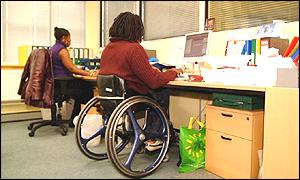 Disability law is to be phased in over three years Disabled school pupils and university students in England and Wales are about to get legal rights against discrimination. Under legislation coming into force on 1 September, educational institutions will have to ensure that disabled learners are not disadvantaged. And admissions procedures must not discriminate against disabled students seeking to enrol. Earlier disability legislation had exempted the education sector. But the Special Educational Needs and Disability Act now extends the anti-discrimination protection to education. Institutions have to make "reasonable adjustments" to ensure that disabled students can participate in courses and lessons. It will be against the law for disabled students - or applicants - to be treated less favourably than other students. Equal rights This will not mean the lowering of any academic standards - but will mean that schools and universities will have to provide an equal chance of success. For instance, in a university admissions interview, an applicant with a speech impairment might need to have more time to answer questions than other applicants. Not to allow this could be considered discriminatory. For interviews or open days, blind applicants might need to have information in Braille or on audio tape. And applicants with hearing impairments might need to have well-lit interview rooms so there are no difficulties with lip reading. University applicants in wheelchairs might need to have advance warning of a separate route to interview rooms. Stair lifts This legislation is being implemented in stages - with this first stage setting out the principle of non-discrimination in admissions and the running of courses. From September 2003, universities and local authorities will be expected to provide extra services and disability aids. And improved physical access to buildings - such as wheelchair ramps - must be in place by September 2005. Since 1996, 6,000 schools have received funds to improve access for disabled pupils from the Schools Access Initiative. This has included stair lifts, disabled toilets and acoustic improvements. In the year 2002-03 there will be �70m for the access initiative, with �100m the following year. The Department for Education also says there is �8.5bn for upgrading school buildings between 2001-02 and 2003-04. | | See also:  06 Dec 00 | Education 06 Nov 00 | Education 03 Dec 01 | Education Internet links: The BBC is not responsible for the content of external internet sites Top Education stories now: Links to more Education stories are at the foot of the page. | ||||||||||||||||||||||||||||||||||||||||||||||||||||||||||||||||||||||||||||||||||||
| |
|  E-mail this story to a friend E-mail this story to a friend |
| |
| Links to more Education stories |
| | | ||
 | ||||
 | | Back to top
| ||
| ---------------------------------------------------------------------------------- To BBC Sport>> | To BBC Weather>> | To BBC World Service>> ---------------------------------------------------------------------------------- © MMIII | News Sources | Privacy |



