
|
 |
 | | | | | | ||||||||||||||||||||||||||||||||||||||||||||||||||||||||||||||||||||||||||||||||||||||||||||||||||||||||||||||||||||
| | | You are in: UK: Education | ||||||||||||||||||||||||||||||||||||||||||||||||||||||||||||||||||||||||||||||||||||||||||||||||||||||||||||||||||||||
|
| | Tuesday, 20 August, 2002, 16:49 GMT 17:49 UK Call for better school staff checks 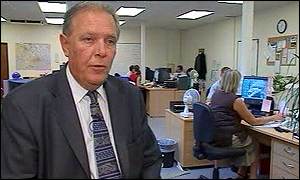 Timeplan's Ian Penman: Concerned about delays An agency which recruits temporary teachers is calling for photo ID cards to be introduced for people working with children. Timeplan says this would tighten up the "absurd" system under which a utility bill is enough evidence of someone's identity. Timeplan's chairman, Ian Penman, says there is "a lack of joined-up thinking" between the identity check a prospective employer has to carry out, and the official criminal records check. Delays are still dogging the new Criminal Records Bureau system, with checks taking five or six weeks, but supply agencies say things have improved. How it is supposed to work:
Teachers, other staff and volunteers whose job involves regularly caring for or being in sole charge of children under 18 should have an enhanced disclosure. This includes applicants for teacher training courses, and trainee teachers. Others working in schools - including governors - should get a standard disclosure. Crisis But the new bureau immediately ran into trouble handling the volume of requests, coinciding as it did with an explosion in the sort of people needing to be vetted, which includes voluntary workers. As the backlog of applications mounted, agencies warned that schools would not have teachers. In May, the Department for Education told the supply agencies to go back to the old system of asking local police forces for checks, and checking whether people were on its confidential List 99 - a record of people regarded as unsuitable to work as teachers. Getting better The new system was then reinstated this summer - after a fashion. The basic disclosure part is not operational at all yet. People can be accepted for employment provided they are not on List 99 and their references are good, even though it may be some weeks later that the criminal records check comes through. David Rose, marketing executive at the Select Education agency, said: "While we are not entirely happy with this, it is based on the procedure that has operated over the years." Photographs He said his agency put through about a thousand applications a month for teachers and teaching assistants. The List 99 check took a few days - but even that was slow compared with the old system, by which the agencies had secure online access to be able to check for themselves whether someone was on the list. The criminal record checks varied between about one week and six weeks, he said. Timeplan's Ian Penman said the "cumbersome and inefficient" checks could take up to four months. He is proposing an online system where employers know the information is up to date - up to within an hour of the request - and where they can see a photograph of the person they are checking. In a letter to the home secretary, Mr Penman said it was time to consider the registration system widely used across the Commonwealth and America. "Each individual working with children is cleared by central government and given a 'passport' complete with photo ID and in some cases finger prints. "These are renewed annually and can be checked by any prospective employer online." It was time, he said, to create "a transparent system in which parents can have confidence". Blacklists List 99 is a confidential database, maintained by the Department for Education and updated daily. It contains the names, dates of birth, national insurance numbers and teacher reference numbers of about 2,500 people considered unsuitable to work as teachers, either on grounds of misconduct or on medical grounds. Official guidance says: "It should be emphasised that not all those on the list are perceived to be a danger to children." But posing an apparent risk to children is the most likely cause of someone being put on the list. People are notified when they are added to the list, and can now appeal to an independent tribunal appointed by the Lord Chancellor. A similar list now known as the Protection of Children Act (PoCA) List is maintained by the Department of Health, and a check on one automatically includes a check on the other. Scottish 'loophole' In Scotland, a similar three-stage system of checks - known as Disclosure Scotland - also began operating in April. But the Scottish Executive is only now in the process of setting up a blacklist, by means of a Bill to be put to the Edinburgh parliament later this year. Announcing it more than a year ago, the Education Minister, Jack McConnell, said: "The index will help to close the loophole which allows some unsuitable adults to pose a risk to children through the respect gained in a work environment. "This may be connected to sexual matters, but it may also include neglect, carelessness or abuse through bad temper. I want it to be a safeguard and also a deterrent." | |
See also:  22 May 02 | Education 07 May 02 | Education 05 Feb 02 | Education Internet links: The BBC is not responsible for the content of external internet sites Top Education stories now: Links to more Education stories are at the foot of the page. | ||||||||||||||||||||||||||||||||||||||||||||||||||||||||||||||||||||||||||||||||||||||||||||||||||||||||||||||||||||
| |
|  E-mail this story to a friend E-mail this story to a friend |
| |
| Links to more Education stories |
| | | ||
 | ||||
 | | Back to top
| ||
| ---------------------------------------------------------------------------------- To BBC Sport>> | To BBC Weather>> | To BBC World Service>> ---------------------------------------------------------------------------------- © MMIII | News Sources | Privacy |






