
|
 |
 | | | | | | ||||||||||||||||||||||||||||||||||||||||||||||||||||||||||||||||||||||||||||||||||||||
| | | You are in: UK: Education | ||||||||||||||||||||||||||||||||||||||||||||||||||||||||||||||||||||||||||||||||||||||||
|
| | Monday, 19 August, 2002, 12:11 GMT 13:11 UK How Oxford's admissions work 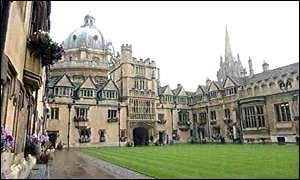 Brasenose says it followed the rules A row has broken out over Oxford's refusal of a place to Anastasia Fedotova, an academically outstanding candidate who is also profoundly deaf. The case has again thrown the spotlight on the university's admissions process - involving as it does interviews as well as exam results. Around 3,000 applicants are accepted every year - but three times that number are interviewed. Oxford uses interviews as a way of distinguishing between candidates because it is a given that, to stand a chance of a place, they will all have excellent academic credentials. Allocations Interviews and in some cases tests usually take place towards the end of each year.
In all probability the offer will be conditional on their achieving certain grades in their exams the following summer. Some candidates are made "pool" offers - firm places but without the college being specified. The final allocations are made after the A-level results come out in August. Interviews Oxford says that more than 85% of applicants from the UK and Europe are invited for interviews, which usually take place over several days. The aim is for tutors to assess candidates' abilities and in particular their potential. "Remember that almost every applicant has good previous examination results and predicted grades; even school reports differ less than you might imagine," says the advice to candidates. The exact arrangements vary slightly because individual tutors do things their own way. A spokesperson for the university said the interview was only one part of the whole process. Disabilities The university does not discuss individual cases, but it is understood it has no reason to think that its admissions process was not followed properly in Anastasia's case. The spokesperson said: "If candidates tell us they are likely to have a problem at interview, the tutor would get in touch with their school and ask what provision needs to be made." This might mean having someone at the interview to do sign language, or - if candidates could lip read - ensuring the interviewers' faces were well lit, and perhaps allowing more time. She added: "The university has a lot of experience in dealing with special students - those with dyslexia or who are blind or deaf, for instance, so that's not something new for us." Last year there were a total of 11 students in the university who were profoundly deaf. This year places were offered to four deaf candidates. "Students with disabilities continue to choose Oxford in increasing numbers." Loophole A legal oddity is that, if there had been any discrimination, it would not have been against the law. The existing legislation on disability excludes school and university admissions arrangements. All this is about to change as a result of the new Special Educational Needs and Disability Act. From next month it will be unlawful to treat a disabled student less favourably than others. This will apply to the admissions process, the terms on which admissions offers are made, or by refusing an application on the grounds of disability. | | See also:  19 Aug 02 | Education 25 Mar 02 | Education 01 Mar 02 | Education 20 Dec 01 | Education 22 Oct 01 | Education 17 Jul 01 | Education Internet links: The BBC is not responsible for the content of external internet sites Top Education stories now: Links to more Education stories are at the foot of the page. | ||||||||||||||||||||||||||||||||||||||||||||||||||||||||||||||||||||||||||||||||||||||
| |
|  E-mail this story to a friend E-mail this story to a friend |
| |
| Links to more Education stories |
| | | ||
 | ||||
 | | Back to top
| ||
| ---------------------------------------------------------------------------------- To BBC Sport>> | To BBC Weather>> | To BBC World Service>> ---------------------------------------------------------------------------------- © MMIII | News Sources | Privacy |






