
|
 |
 | | | | | | ||||||||||||||||||||||||||||||||||||||||||||||||||||||||||||||||||||||||||||||||||||||||||||||||||||||||||||||||||||
| | | You are in: UK: Education | ||||||||||||||||||||||||||||||||||||||||||||||||||||||||||||||||||||||||||||||||||||||||||||||||||||||||||||||||||||||
|
| | Friday, 21 June, 2002, 02:57 GMT 03:57 UK Children's needs 'failed by system' 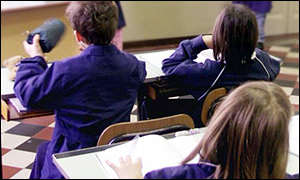 A fifth of children have some form of special need Children with the most severe special educational needs are often not having those needs met by the present "costly, bureaucratic and slow" system, according to an official report. The report, by the public services watchdog, the Audit Commission, calls for a "high-level, independent review" of the system in England and Wales. Its report deals with what are known as "statements" of special educational need. The report says many children and their families are having poor and stressful experiences. It will be followed in the autumn by a fuller report, looking at how well children's needs are being met in view of the government policy of putting more of those with special needs into mainstream schools. How it works This interim report involved research in five education authorities, with a review of the files on 100 children. It says one in five children has some form of special educational need, ranging from mild dyslexia to behavioural problems to complex medical conditions. In most cases this is dealt with in schools. But some need more support than their school can provide. For these children, the local authority draws up a statement of special educational needs, which in most cases provides extra help of some kind in the school. Just over 3% of children in England and Wales have a statement. Lottery The commission says a statement takes six months to produce and costs an estimated �2,500 - but often it adds little in helping to meet a child's needs, according to parents and teachers. Many parents found this assessment a stressful and alienating process - most of those met by the research team said they "had to fight" to get a statement. Children with similar needs are getting different levels of support depending on where they live, which school they go to and how assertive their parents are, the report says. There is only a weak link between the number of statements in an area and how deprived the area is. But even when they get a statement it provides little guarantee that their child will get the support they need, the report says. What to do This is blamed on weak monitoring arrangements in many authorities and schools, and shortfalls in some health and social services for children. The commission has 12 recommendations. They include devolving more resources to schools so they can intervene at the earliest opportunity with a view to meeting more children's needs without having to request a statutory assessment. With this, there should be "rigorous monitoring arrangements" so parents can be confident their child will get the support he or she needs. Tensions The government has made a number of changes, including a new code of practice and the Special Educational Needs and Disability Act 2001. "These represent steps in the right direction - but tensions remain at the heart of the statutory framework," says the report. The controller of the Audit Commission, Sir Andrew Foster, said there was much local authorities and schools could do to help meet children's needs more effectively. But action at a local level could only go so far. "Our system of education has changed enormously since statements were first introduced, nearly 20 years ago. "Much progress has been made in that time," he said. Review "However key parts of the statutory framework are inconsistent with the roles now played by local authorities, schools and other agencies in meeting children's needs. "We therefore urge the government to establish a high level independent review - to pave the way for a system that is fairer, more efficient and more responsive to the needs of young people and their families." A spokesperson for the Department for Education said the new code of practice encouraged earlier identification of children's needs and there was stronger, school-based provision to meet them. There was �91m for next year for such things as training - five times the amount available in 1997-98. | |
See also:  21 Jun 02 | Education 21 Jun 02 | Education 26 Jun 00 | Education 19 Apr 01 | Education 20 Mar 01 | Education 13 Mar 01 | Education Internet links: The BBC is not responsible for the content of external internet sites Top Education stories now: Links to more Education stories are at the foot of the page. | ||||||||||||||||||||||||||||||||||||||||||||||||||||||||||||||||||||||||||||||||||||||||||||||||||||||||||||||||||||
| |
|  E-mail this story to a friend E-mail this story to a friend |
| |
| Links to more Education stories |
| | | ||
 | ||||
 | | Back to top
| ||
| ---------------------------------------------------------------------------------- To BBC Sport>> | To BBC Weather>> | To BBC World Service>> ---------------------------------------------------------------------------------- © MMIII | News Sources | Privacy |






