
|
 |
 | | | | | | |||||||||||||||||||||||||||||||||||||||||||||||||||||||||||||||||||||||||||||||||||||||||||||||||||||||||||||||||||||||||||||||||||||
| | | You are in: UK | |||||||||||||||||||||||||||||||||||||||||||||||||||||||||||||||||||||||||||||||||||||||||||||||||||||||||||||||||||||||||||||||||||||||
|
| | Wednesday, 29 January, 2003, 10:13 GMT Why Brits care about the death penalty 

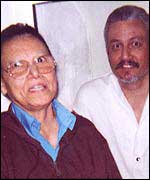
His family and supporters believe that Britain's Prime Minister may be his last chance of a reprieve. It is unlikely that we will know if Mr Blair has raised the Elliott case with his host, but the light that this throws on British campaigning against the death penalty in the US and Caribbean is worth scrutiny. In 1995, the then Prime Minister, John Major, rejected appeals to intervene in the case of a Briton, Nicholas Ingram, who was sentenced to death in Georgia. He argued that he had no standing in a matter decided "by due process of law". Ingram died in the electric chair.
On this evidence, British attempts to save those on death row, although garnering publicity, have not achieved a great deal. But then there's Kris Maharaj, a British businessman who spent 16 years on Florida's death row before having his sentence commuted to a 50-year jail term. The UK-based organisation, Reprieve, played an important role, co-ordinating efforts to obtain a crucial re-sentencing hearing. User-pays justice Reprieve was founded at the end of 1999 by the US-based British lawyer, Clive Stafford Smith, whose impassioned defence of severely-disadvantaged death row inmates have won him a growing following in the UK since the screening of a TV documentary, Fourteen Days in May, in the late 1980s. Reprieve's UK director, Andie Lambe, points out where Mr Major's argument about "due process of law" is on shaky ground.
"The death penalty is a punishment handed out to people who don't have anything to begin with. As has been rightly said, it's a case of those without the capital getting the punishment." That description applies pretty accurately to Jackie Elliott, who has always maintained his innocence. And Tracy Housel's trial lawyer, Walter Britt, has admitted he was too inexperienced to give his client a proper defence. "I have to live with the fact that I helped put him on death row," he has said. Harsh measures The influence of Reprieve and a number of committed British human rights lawyers has also been felt in the Caribbean, where a response to rising crime has been strong political and judicial backing for the death penalty.
One beneficiary was a former London Underground driver, Bertil Fox, who faced execution in St Kitts for murdering his girlfriend and her mother. He was reprieved. Whether Jackie Elliott lives to see the dawn rise on 5 February remains in the balance. | |
See also:  13 Jan 03 | England 11 Mar 02 | UK 13 Mar 02 | Americas 13 Mar 02 | Americas Top UK stories now: Links to more UK stories are at the foot of the page. | |||||||||||||||||||||||||||||||||||||||||||||||||||||||||||||||||||||||||||||||||||||||||||||||||||||||||||||||||||||||||||||||||||||
 | |
|  E-mail this story to a friend E-mail this story to a friend |
| |
| Links to more UK stories |
| | | ||
 | ||||
 | | Back to top
| ||
| ---------------------------------------------------------------------------------- To BBC Sport>> | To BBC Weather>> | To BBC World Service>> ---------------------------------------------------------------------------------- © MMIII | News Sources | Privacy |








 Had John Major intervened, Nicky Ingram's life would have been spared

